Yo, folks! I’m a supplier of Material Testing Machines, and I’ve seen my fair share of issues with these bad boys over the years. In this blog, I’m gonna walk you through how to troubleshoot some common problems you might run into with your material testing machines. Whether you’re a newbie in the industry or a seasoned pro, these tips can save you a lot of headaches and downtime. Material Testing Machines

1. Power – Related Problems
Let’s start with the basics: power. If your material testing machine isn’t turning on, it can be super frustrating. First things first, check if the machine is properly plugged in. Sounds obvious, but you’d be surprised how many times this simple step solves the problem. I’ve had customers call me in a panic, and all it took was pushing the plug in a bit harder!
If it’s plugged in but still not working, take a look at the power switch. Sometimes, it can get stuck or malfunction. Try toggling it a few times to see if that does the trick. Also, check the circuit breaker or fuse box. If a circuit has tripped or a fuse has blown, it could be cutting off the power to your machine. Reset the breaker or replace the fuse if needed, but make sure you’re following all safety procedures when doing so.
Another thing to consider is the power supply voltage. Material testing machines usually have specific voltage requirements. If the voltage in your area is too high or too low, it can cause problems. You might need to use a voltage regulator to stabilize the power going to your machine.
2. Sensor Malfunctions
Sensors are a crucial part of material testing machines. They’re responsible for measuring things like force, displacement, and strain. If you’re getting inaccurate readings or the sensors aren’t working at all, there are a few things you can do.
First, check for any loose connections. Sensors are connected to the machine via cables, and over time, these connections can come loose. Make sure all the cables are securely plugged in. You can also inspect the cables for any signs of damage, like cuts or frays. If you find a damaged cable, replace it as soon as possible.
Sometimes, sensors can get dirty or contaminated, which can affect their accuracy. Clean the sensors gently using a soft, dry cloth. Avoid using any abrasive materials or harsh chemicals, as these can damage the sensors.
If the problem persists, it might be a calibration issue. Sensors need to be calibrated regularly to ensure accurate readings. Check the machine’s manual to see how often calibration is recommended and follow the steps to calibrate the sensors. If you’re not comfortable doing it yourself, you can always give us a call, and we’ll send someone out to handle it.
3. Software Glitches
In today’s world, most material testing machines come with software that helps you control the machine, collect data, and generate reports. But like any software, it can sometimes act up.
If the software is crashing or freezing, try restarting the machine and the software. Sometimes, a simple restart can clear up any temporary glitches. If that doesn’t work, check if there are any software updates available. Manufacturers often release updates to fix bugs and improve performance. Install the latest updates and see if the problem goes away.
You should also check the system requirements for the software. If your computer doesn’t meet the minimum requirements, it can cause the software to run poorly. Consider upgrading your computer’s hardware, such as the RAM or hard drive, if necessary.
Another common issue is data transfer problems. If you’re having trouble transferring data from the machine to your computer, check the connection between the two. Make sure the cable is properly plugged in and that the software on both the machine and the computer is configured correctly. You might also want to try using a different cable or port to see if that solves the problem.
4. Mechanical Issues
Material testing machines have a lot of moving parts, and over time, these parts can wear out or break. One common mechanical problem is a jammed or stuck actuator. The actuator is responsible for moving the cross – head of the machine, which is used to apply force to the test specimen.
If the actuator is jammed, first, turn off the machine and unplug it for safety. Then, try to manually move the cross – head. If it moves freely, there might not be a major problem. However, if it’s stuck, check for any obstructions in the actuator’s path. There could be debris or a foreign object that’s causing the jam. Remove the obstruction carefully and try running the machine again.
Another mechanical issue is excessive noise or vibration during operation. This could be a sign of loose parts, worn bearings, or misaligned components. Inspect the machine for any loose bolts or screws and tighten them if necessary. If you suspect worn bearings, they’ll need to be replaced. Misaligned components might require professional adjustment, so don’t hesitate to reach out to us if you’re not sure how to fix it.
5. Hydraulic System Problems (if applicable)
Some material testing machines use hydraulic systems to generate force. If you have a hydraulic machine and you’re experiencing problems, there are a few things to look out for.
One of the most common issues is a hydraulic fluid leak. You can usually spot a leak by looking for puddles of fluid under the machine or wet spots on the hoses and connections. If you find a leak, first, turn off the machine and relieve the pressure in the hydraulic system. Then, check the hoses and connections for any damage. Tighten any loose connections or replace any damaged hoses. Make sure to use the correct type of hydraulic fluid when refilling the system.
Another problem could be low hydraulic fluid levels. Check the fluid reservoir regularly and make sure it’s filled to the appropriate level. If the fluid level is consistently low, it could be a sign of a leak.
The hydraulic pump is another critical component. If the pump isn’t working properly, it can affect the machine’s performance. You might notice a decrease in force output or slow operation. Check the pump for any signs of damage or wear, and if necessary, have it repaired or replaced.
Conclusion
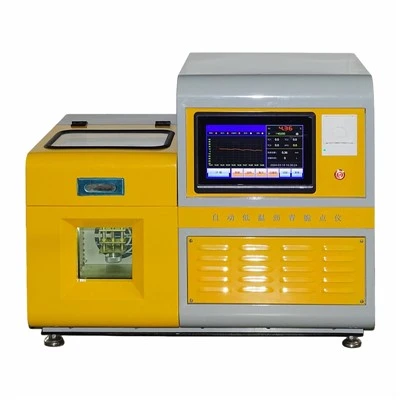
Well, there you have it, folks! These are some of the most common problems you might encounter with material testing machines and how to troubleshoot them. Remember, if you’re ever in doubt or if you can’t fix the problem on your own, don’t hesitate to reach out to us. We’ve got a team of experts who are ready to help you get your machine up and running again in no time.
Universal Materials Tester Whether you’re in the market for a new material testing machine or you need some parts or service for your existing one, we’re here to assist you. Contact us for more information on our products and services, and let’s start a conversation about how we can meet your testing needs.
References
- ASTM International Standards on Material Testing Machines
- Manufacturer’s Manuals for Material Testing Machines
Hebei Wanluda Testing Instrument Equipment Co., Ltd.
As one of the most professional material testing machines manufacturers and suppliers in China, we have world-leading production equipment and strong manufacturing capabilities. Please rest assured to buy advanced material testing machines made in China here from our factory.
Address: Zhouguantun Village, Xian County, Cangzhou City, Hebei Province, P.R.China
E-mail: wldinstrument@163.com
WebSite: https://www.wldinstrument.com/
