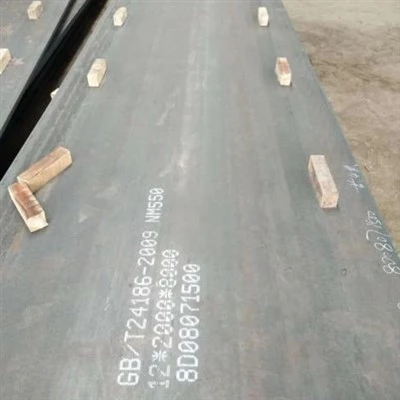
As a supplier of High Strength Low Alloy (HSLA) Steel Plates, I’ve witnessed firsthand the growing demand for these remarkable materials across various industries. One of the most critical properties that sets HSLA steel plates apart from other steel types is their impact toughness. In this blog, I’ll delve into what impact toughness is, why it’s so important in HSLA steel plates, and how it influences the performance of these materials in real-world applications. High Strength Low Alloy Steel Plate
Understanding Impact Toughness
Impact toughness is a measure of a material’s ability to absorb energy and deform plastically before fracturing under an impact load. In simpler terms, it’s the material’s resistance to cracking or breaking when subjected to sudden, high-energy forces. This property is crucial in applications where the material may encounter dynamic loading conditions, such as in construction, automotive, and aerospace industries.
The impact toughness of a material is typically determined through a standardized test known as the Charpy impact test. In this test, a notched specimen of the material is struck by a pendulum hammer, and the energy absorbed by the specimen during fracture is measured. The higher the energy absorption, the greater the impact toughness of the material.
Significance of Impact Toughness in HSLA Steel Plates
HSLA steel plates are widely used in applications where high strength and good formability are required. These materials offer a unique combination of properties, including high yield strength, excellent weldability, and good corrosion resistance. However, in many applications, the ability to withstand impact loading is equally important.
- Safety in Construction: In the construction industry, HSLA steel plates are commonly used in the fabrication of bridges, buildings, and other structures. These structures are often subjected to dynamic loads, such as wind, earthquakes, and vehicle collisions. A high impact toughness ensures that the steel plates can absorb the energy generated by these loads without fracturing, thereby enhancing the safety and durability of the structure.
- Performance in Automotive Applications: In the automotive industry, HSLA steel plates are used in the manufacturing of vehicle components, such as chassis, frames, and suspension systems. These components are exposed to various impact forces during normal operation, such as road bumps, potholes, and collisions. A high impact toughness helps to prevent the components from cracking or breaking under these conditions, improving the overall performance and safety of the vehicle.
- Reliability in Aerospace Applications: In the aerospace industry, HSLA steel plates are used in the construction of aircraft structures, such as wings, fuselages, and landing gear. These structures are subjected to extreme impact loads during takeoff, landing, and flight. A high impact toughness is essential to ensure the reliability and safety of the aircraft, as any failure of these components could have catastrophic consequences.
Factors Affecting the Impact Toughness of HSLA Steel Plates
The impact toughness of HSLA steel plates is influenced by several factors, including the chemical composition, microstructure, and processing conditions of the material.
- Chemical Composition: The chemical composition of HSLA steel plates plays a crucial role in determining their impact toughness. Elements such as carbon, manganese, silicon, and nickel can enhance the strength and toughness of the steel, while elements such as sulfur and phosphorus can reduce its toughness. Therefore, careful control of the chemical composition is essential to achieve the desired impact toughness properties.
- Microstructure: The microstructure of HSLA steel plates also has a significant impact on their impact toughness. A fine-grained microstructure generally provides better impact toughness than a coarse-grained microstructure. This is because fine grains can impede the propagation of cracks, making it more difficult for the material to fracture. Heat treatment processes, such as quenching and tempering, can be used to control the microstructure and improve the impact toughness of the steel.
- Processing Conditions: The processing conditions during the manufacturing of HSLA steel plates can also affect their impact toughness. For example, hot rolling and cold rolling can introduce residual stresses and affect the grain structure of the steel, which can in turn influence its impact toughness. Therefore, proper processing techniques and quality control measures are necessary to ensure consistent and high-quality impact toughness properties.
Measuring and Ensuring Impact Toughness in HSLA Steel Plates
As a supplier of HSLA steel plates, we take great care to ensure that our products meet the highest standards of impact toughness. We use advanced testing equipment and techniques to measure the impact toughness of our steel plates, including the Charpy impact test and the drop weight tear test. These tests allow us to accurately determine the energy absorption capacity of the steel and ensure that it meets the specific requirements of our customers.
In addition to testing, we also implement strict quality control measures throughout the manufacturing process to ensure the consistency and reliability of our products. We carefully control the chemical composition, microstructure, and processing conditions of our steel plates to optimize their impact toughness properties. Our experienced team of engineers and technicians closely monitors the production process to ensure that every batch of steel plates meets our rigorous quality standards.
Real-World Applications and Case Studies
To illustrate the importance of impact toughness in HSLA steel plates, let’s take a look at some real-world applications and case studies.
- Bridge Construction: In the construction of a large suspension bridge, HSLA steel plates with high impact toughness were used for the main cables and the bridge deck. These steel plates were able to withstand the dynamic loads caused by wind, traffic, and earthquakes, ensuring the safety and stability of the bridge. The high impact toughness of the steel plates also helped to prevent fatigue cracking and other forms of damage, extending the service life of the bridge.
- Automotive Manufacturing: A leading automotive manufacturer used HSLA steel plates with excellent impact toughness in the production of their new SUV model. The steel plates were used for the chassis and the body frame, providing enhanced protection for the passengers in the event of a collision. The high impact toughness of the steel plates allowed the vehicle to absorb the energy generated by the impact, reducing the risk of injury to the occupants.
- Aerospace Industry: In the aerospace industry, HSLA steel plates with superior impact toughness were used in the construction of an aircraft’s landing gear. The landing gear is subjected to extreme impact loads during takeoff and landing, and the high impact toughness of the steel plates ensured its reliability and safety. The steel plates were able to withstand the repeated impact forces without fracturing, ensuring the smooth operation of the aircraft.
Conclusion
In conclusion, impact toughness is a critical property of HSLA steel plates that plays a vital role in their performance and reliability in various applications. As a supplier of HSLA steel plates, we understand the importance of providing our customers with high-quality products that meet their specific requirements. Our commitment to quality and customer satisfaction drives us to continuously improve our manufacturing processes and testing techniques to ensure that our steel plates offer the best possible impact toughness properties.
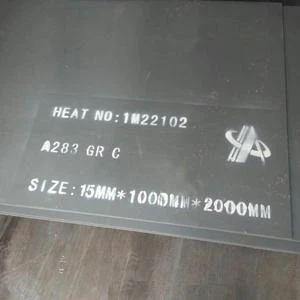
ASTM/ASME Pressure Vessel Steel If you’re looking for a reliable supplier of HSLA steel plates with exceptional impact toughness, we invite you to contact us for more information. Our team of experts is ready to assist you in finding the right steel plates for your application and to provide you with the support and guidance you need throughout the procurement process.
References
- ASTM International. (2021). Standard Test Methods for Charpy Impact Testing of Metallic Materials. ASTM E23 – 20.
- ASM Handbook Committee. (2005). ASM Handbook Volume 1: Properties and Selection: Irons, Steels, and High-Performance Alloys. ASM International.
- De Cooman, B. C., & Shin, D. H. (2008). High-Strength Low-Alloy Steels. Wiley-VCH Verlag GmbH & Co. KGaA.
Gnee Steel (Tianjin) Co., Ltd.
As one of the most professional high strength low alloy steel plate manufacturers and suppliers in China, we also support customized service with low price. We warmly welcome you to buy high quality high strength low alloy steel plate in stock here from our factory. If you have any enquiry about free sample, please feel free to email us.
Address: No.4-1114, Beichen Building, Beicang Town, Beichen District, Tianjin, China
E-mail: alloy@gneesteelgroup.com
WebSite: https://www.chinavesselplates.com/
