Hey there! I’m in the bulletproof shield business, so folks often ask me, "Are bulletproof shields effective against all types of bullets?" It’s a super important question, especially when considering the safety of our officers, security personnel, and others in high – risk situations. Let’s dig into this topic and find out the real deal. Bulletproof Shield
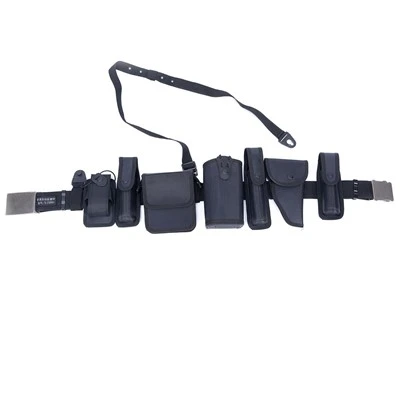
First off, it’s crucial to understand what a bulletproof shield is. In simple terms, these shields are designed to protect the user by stopping or deflecting bullets. They’re made from various materials, such as Kevlar, ceramic composites, and steel. Each material has its own strengths and weaknesses, which determines how well the shield performs against different types of bullets.
Kevlar is a popular choice. It’s lightweight and flexible, making the shield easy to carry around. It works by using multiple layers of strong fibers that catch the bullet and spread its energy over a larger area. This slows down the bullet and prevents it from passing through. But here’s the thing: Kevlar is mainly effective against handguns. Small – caliber bullets from pistols and revolvers don’t have enough energy to penetrate Kevlar easily. However, when it comes to high – power rifles, Kevlar might not cut it. Rifle bullets are much faster and have a lot more energy. They can break through the Kevlar fibers, so a Kevlar – only shield won’t offer full protection against them.
Ceramic composite shields are another option. They’re made by combining ceramic plates with a backing layer, usually made of something like Kevlar. The ceramic part is really hard and can shatter the bullet on impact, while the backing layer catches the fragments. This type of shield is great for stopping rifle bullets. It can handle a wide range of rifle calibers, from the common 5.56mm used in many military rifles to the more powerful 7.62mm. But ceramic shields are heavier than Kevlar ones. Carrying them around for a long time can be tiring, and they’re also more expensive to produce.
Steel shields are the old – school option. They’re thick and heavy, but they’re incredibly tough. Steel can stop almost any type of bullet, from small – caliber handguns to high – powered rifles. However, because of their weight, they’re not very mobile. You can’t run around with a steel shield for long periods. They’re usually used in static situations, like guarding a fixed position.
Now, let’s talk about different types of bullets. There are so many out there, each designed for different purposes. Handgun bullets are generally smaller and slower. They’re used for self – defense, law enforcement in close – range situations, and target shooting. As I mentioned earlier, Kevlar shields are often sufficient to protect against most handgun bullets. But there are also specialty handgun rounds, like armor – piercing bullets. These are made with a harder core, like steel or tungsten, which can pierce through regular Kevlar. So, even with a shield designed for handguns, you have to be aware of the potential threat of these special bullets.
Rifle bullets are a whole different ballgame. They’re designed for long – range shooting and have a lot more power. The speed and energy of a rifle bullet can easily overwhelm a shield that’s not designed for it. For example, a sniper rifle can fire bullets at extremely high velocities. These bullets can travel long distances and still have enough energy to penetrate some shields. That’s why for military or law enforcement operations in areas where rifles are a threat, you need a high – quality, specifically designed shield, like one made of ceramic composites.
Shotgun shells are also a factor. Shotguns fire multiple small pellets at once. While each pellet on its own might not have as much energy as a rifle or handgun bullet, the spread of pellets can cover a larger area. A good bulletproof shield should be able to stop most shotgun pellets, but the effectiveness can depend on the distance. At close range, the force of the shot can be stronger, and a shield might need to be thicker or made of a more robust material to stop all the pellets.
So, are bulletproof shields effective against all types of bullets? The short answer is no. Different shields are designed to handle different levels of threat. If you’re facing a handgun – only situation, a lightweight Kevlar shield can be a great option. It’s easy to carry and can provide adequate protection. But if you’re in a situation where rifles are likely to be used, you need a more heavy – duty ceramic or steel shield.
It’s also important to consider the level of protection standards. There are international standards, such as those set by the National Institute of Justice (NIJ) in the United States. These standards define the performance requirements for bulletproof products, including shields. Shields are rated based on the types of bullets they can stop. For example, a NIJ Level IIIA shield is designed to stop most handgun rounds, while a Level IV shield can stop high – powered rifle rounds, including armor – piercing ones.
When choosing a bulletproof shield, you have to think about your specific needs. Are you a law enforcement officer on foot patrol? You’ll probably want a lightweight shield that you can carry around easily. But if you’re in a military operation where you’re likely to encounter high – powered rifles, you need a more durable and heavy – duty shield.
As a bulletproof shield supplier, I get to see a lot of different scenarios. We’ve worked with police departments, security companies, and even private individuals looking for protection. We understand that every situation is unique, and that’s why we offer a wide range of shields. Whether you need a basic Kevlar shield for day – to – day patrol or a high – end ceramic shield for a high – risk operation, we’ve got you covered.
If you’re in the market for a bulletproof shield, it’s important to do your research. Not all shields are created equal, and you need to make sure you’re getting a quality product that meets your needs. Look for shields that are certified to meet industry standards. This ensures that they’ve been tested and proven to perform as advertised.

In conclusion, bulletproof shields are a great tool for protection, but they’re not a one – size – fits – all solution. The effectiveness of a shield depends on the type of bullet it’s up against and the materials it’s made of. If you want to make sure you’re getting the right shield for your situation, don’t hesitate to reach out. We’re here to help you find the perfect shield to keep you safe. Contact us to start a conversation about your specific requirements and let’s work together to find the best bulletproof shield for you.
Expandable Baton References
- National Institute of Justice (NIJ) standards for ballistic protection
- Research papers on ballistic materials and their performance
- Industry reports on bulletproof shield technology and usage
Jiangsu Jiuan Police Equipment Manufacturing Co., Ltd.
Address: No. 9, Xihuan South Road, Jingjiang City, Jiangsu Province
E-mail: viola@jiuanpolice.cn
WebSite: https://www.japolice.com/
