Hey there, cycling enthusiasts! As a supplier of bike road integrated handlebars, I’ve seen just about every question under the sun when it comes to these handy components. One of the most common inquiries I get is about the materials used to make them. So, I thought I’d dive into this topic and break down the different materials, their pros and cons, and which ones might be the best fit for your biking needs. Bike Road Integrated Handlebar
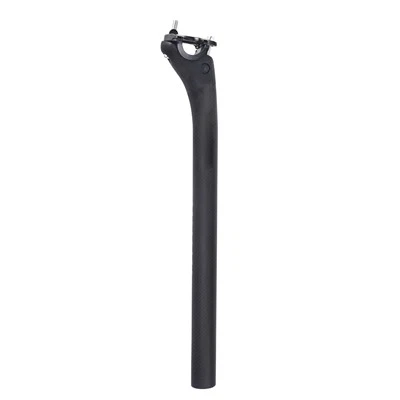
Aluminum Alloy
Let’s start with aluminum alloy, a super popular choice for bike road integrated handlebars. This stuff is everywhere in the cycling world, and for good reason. For starters, it’s incredibly lightweight. When you’re out on a long road ride or trying to pick up speed on a flat stretch, every little bit of weight savings counts. Less weight means you can pedal more efficiently and potentially go faster.
Another big plus is its cost-effectiveness. Compared to some of the other materials we’ll talk about, aluminum alloy handlebars won’t break the bank. This makes them a great option for beginners or cyclists on a budget who still want a quality product.
Aluminum also has pretty good corrosion resistance. So, if you’re riding in all kinds of weather conditions, like rain or near the ocean where there’s salt in the air, your handlebars won’t rust away anytime soon. It’s durable enough to handle the bumps and vibrations you’ll encounter on the road.
But it’s not all sunshine and rainbows. Aluminum alloy isn’t as stiff as some other materials. This can lead to a bit of flex when you’re applying a lot of force, like during a hard sprint or while climbing a steep hill. And over time, repeated stress can cause fatigue in the material, which might lead to cracks or other damage.
Carbon Fiber
Next up is carbon fiber, the high – tech darling of the cycling industry. Carbon fiber handlebars are like the Ferraris of the bike component world. They’re all about top – notch performance.
The first thing you’ll notice is how incredibly light they are. Carbon fiber is made up of tiny, strong fibers that can be arranged in specific patterns to give the handlebar the strength it needs while using as little material as possible. This means a significant weight reduction compared to aluminum.
Strength is another area where carbon fiber shines. It can be engineered to be very stiff in the right places, providing excellent power transfer. When you’re pushing hard on the pedals, you want to know that every bit of your effort is going towards moving the bike forward, and carbon fiber handlebars do a great job of that.
Ride comfort is also a major selling point. Carbon fiber has natural damping properties, which means it can absorb vibrations from the road better than aluminum. This can make a long ride a lot more pleasant, as you’ll feel less fatigue in your hands and arms.
However, there are a few downsides. First of all, carbon fiber handlebars are expensive. If you’re not a serious competitive cyclist or someone who’s willing to spend a little extra for the best performance, the cost might be a deal – breaker.
They’re also more brittle than some other materials. A hard impact, like slamming into a curb or crashing, can cause damage that might not be immediately visible. And once carbon fiber is damaged, it can be difficult and expensive to repair.
Titanium
Titanium is a bit of an underdog in the world of bike road integrated handlebars, but it has some really cool properties. One of the biggest advantages of titanium is its strength – to – weight ratio. It’s almost as strong as steel but significantly lighter. This means you get a handlebar that can withstand a lot of abuse without adding a ton of extra weight to your bike.
Titanium is also extremely corrosion – resistant. It won’t rust, even in the harshest environments. So, if you’re the type of cyclist who rides in all sorts of weather and doesn’t want to worry about your handlebars deteriorating over time, titanium is a great choice.
The ride quality of titanium handlebars is pretty unique. It has a bit of a "springy" feel to it, which some cyclists really enjoy. This can make for a smooth and comfortable ride, especially on rough roads.
But titanium has its limitations too. The manufacturing process for titanium handlebars is more complex and expensive than for aluminum. This drives up the cost of the final product, making it less accessible for some cyclists. It’s also not as widely available as aluminum or carbon fiber, so you might have a harder time finding the exact model you want.
Steel
Steel used to be the go – to material for just about everything in the cycling world, and while it’s not as common for handlebars these days, it still has its place. Steel handlebars are incredibly strong. They can take a beating and keep on going. If you’re a heavy rider or someone who likes to ride aggressively, steel can handle the extra stress.
They’re also very affordable compared to carbon fiber and titanium. If you’re looking for a no – frills, reliable handlebar on a tight budget, steel might be the way to go.
One of the drawbacks of steel is its weight. It’s much heavier than aluminum, carbon fiber, or titanium. This extra weight can slow you down and make your bike feel a bit more cumbersome, especially on long climbs or when you’re trying to pick up speed. And steel is prone to rust if it’s not properly coated or maintained. So, you’ll need to keep an eye on it and make sure it’s protected from the elements.
Choosing the Right Material for You
When it comes to picking the right material for your bike road integrated handlebars, there are a few things to think about. Your budget is an obvious one. If you’re tight on cash, aluminum or steel might be your best bet. But if you’re a competitive cyclist or someone who wants the latest and greatest technology, carbon fiber could be worth the investment.
Your riding style also matters. If you’re a hard – charging sprinter or a climber who needs maximum power transfer, a stiffer material like carbon fiber or titanium might be better. If you’re more of a leisurely rider who values comfort, then carbon fiber’s vibration – damping properties or titanium’s springy feel could be appealing.
And don’t forget about the environment you’ll be riding in. If you’re in a wet or salty area, corrosion resistance is key, so aluminum, titanium, or a well – coated steel handlebar would be a good choice.
Why Choose Our Handlebars
As a supplier of bike road integrated handlebars, we offer a wide range of options in all these materials. Whether you’re looking for the lightweight performance of carbon fiber, the affordability of aluminum, the strength of steel, or the unique qualities of titanium, we’ve got you covered. Our handlebars are designed and manufactured with the highest standards in mind, so you can trust that you’re getting a top – quality product.

We work closely with our customers to understand their needs and provide personalized recommendations. We know that every cyclist is different, and we want to make sure you get the handlebars that are perfect for you.
Bike Saddle If you’re interested in learning more about our bike road integrated handlebars or have any questions about the materials we use, don’t hesitate to reach out. We’re always happy to chat and help you find the right fit for your bike. Whether you’re a professional racer or a weekend warrior, we’re here to support your cycling journey.
References
- "Bicycle and Component Materials", Cycling Science Journal, Volume 12, Issue 3
- "Materials for High – Performance Bike Parts", Sporting Goods Engineering Review, 2022 Edition
- "The Physics of Cycling Materials", Physics of Sports Magazine, Summer 2023
Hunan Yecheng Technology Co., Ltd.
We’re well-known as one of the leading bike road integrated handlebar manufacturers and suppliers in China, also support customized service. Please feel free to buy high quality bike road integrated handlebar for sale here from our factory. For more information, contact us now.
Address: Changsha, Hunan Province, China.
E-mail: info@rxlsl.com
WebSite: https://www.rxlsl.com/
