As a seasoned provider of Oxford cloth, I’ve had countless discussions with clients about the various qualities and characteristics of this versatile fabric. One question that often arises is about the drapability of Oxford cloth. In this blog post, I’ll delve into what drapability means, how it applies to Oxford cloth, and why it matters in different applications. Oxford Cloth
Understanding Drapability
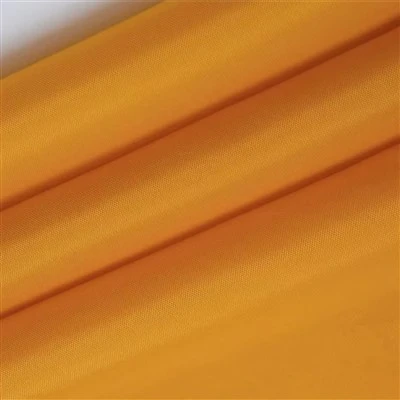
Drapability is a term used to describe how a fabric hangs and folds under its own weight. It is a crucial characteristic that can significantly impact the look and feel of a finished product. A fabric with good drapability will flow smoothly, creating soft, elegant folds that enhance the aesthetic appeal of garments, curtains, and other textile items. On the other hand, a fabric with poor drapability may look stiff and unflattering, failing to achieve the desired visual effect.
Several factors contribute to a fabric’s drapability, including its fiber composition, weave structure, weight, and finish. Fibers with different properties can affect how a fabric drapes. For example, natural fibers like silk and wool tend to have excellent drapability due to their smoothness and flexibility. Synthetic fibers, on the other hand, can vary widely in their draping qualities depending on their manufacturing process.
The weave structure also plays a vital role. Fabrics with a looser weave generally drape better than those with a tight, dense weave because they allow more movement and flexibility. Weight is another important factor; lighter fabrics typically drape more easily than heavier ones. Finally, the finish applied to the fabric can either enhance or detract from its drapability. A fabric with a soft finish will often drape more gracefully than one with a stiff or starched finish.
Drapability of Oxford Cloth
Oxford cloth is a popular type of woven fabric that is known for its durability and versatility. It is typically made from cotton or a cotton-polyester blend and is characterized by a basket weave structure. This weave gives Oxford cloth its unique texture and appearance, but how does it affect the fabric’s drapability?
In general, Oxford cloth has a moderate level of drapability. Its basket weave structure, which consists of two or more warp yarns woven over two or more weft yarns, creates a relatively open and flexible fabric. This allows the cloth to fold and hang in a somewhat natural manner, although not as fluidly as some other fabrics like silk or chiffon.
The fiber composition of Oxford cloth also influences its drapability. Cotton Oxford cloth tends to have a softer, more natural drape compared to blends that contain a high percentage of polyester. Cotton fibers are flexible and have a natural sheen that gives the fabric a smooth, flowing appearance when it drapes. Polyester, on the other hand, can make the fabric stiffer and less drapeable, especially in higher concentrations.
The weight of the Oxford cloth is another determining factor. Lighter weight Oxford cloth, typically used for shirts and summer clothing, will drape more easily than heavier weight versions, which are often used for outdoor gear and upholstery. Heavier Oxford cloth may be more rigid and less likely to form soft, flowing folds.
Applications and the Importance of Drapability
The drapability of Oxford cloth is an important consideration in various applications. Let’s take a closer look at some of the common uses of Oxford cloth and how drapability affects the final product.
Apparel
In the world of fashion, drapability can make or break a garment. For shirts made from Oxford cloth, a good drape is essential for a comfortable and flattering fit. A shirt with a soft, flowing drape will conform to the body’s movements, providing a more natural and stylish look. It will also prevent the shirt from looking too boxy or stiff, which is particularly important for casual and dressy shirts.
For women’s clothing, Oxford cloth can be used to create skirts, dresses, and blouses. In these applications, the fabric’s drapability can enhance the femininity and elegance of the designs. A skirt with a gentle drape will sway gracefully as the wearer walks, adding a touch of movement and charm.
Home Decor
Oxford cloth is also a popular choice for home decor items such as curtains, pillow covers, and tablecloths. In these applications, drapability can significantly impact the overall aesthetic of the room. Curtains made from Oxford cloth with good drapability will hang smoothly, creating a soft and inviting atmosphere. They will also be able to block out light effectively when drawn, while still allowing for a bit of movement and flow.
Pillow covers and tablecloths made from drapeable Oxford cloth will add a touch of sophistication to any room. The fabric’s ability to fold and crease naturally will give these items a more luxurious and refined look.
Outdoor Gear
While the focus of outdoor gear is often on durability and functionality, drapability can still play a role. In items such as tents and backpacks made from Oxford cloth, a certain level of drapability can be beneficial. A tent with a fabric that drapes well will be easier to set up and will conform to the shape of the frame more effectively. Backpacks made from drapeable Oxford cloth may be more comfortable to wear, as the fabric can move with the body and distribute the weight more evenly.
Enhancing the Drapability of Oxford Cloth
If you’re looking to enhance the drapability of Oxford cloth, there are a few things you can do. One option is to choose a lighter weight fabric. As mentioned earlier, lighter Oxford cloth will generally drape more easily than heavier versions. You can also opt for a cotton-rich blend, as cotton fibers tend to have better draping qualities than polyester.
Another way to improve the drapability is through proper finishing. Some finishing processes, such as softening treatments, can make the fabric more pliable and reduce stiffness. However, it’s important to note that these treatments may also affect other properties of the fabric, such as its water resistance or durability, so it’s essential to find a balance.
Conclusion
In conclusion, the drapability of Oxford cloth is a complex characteristic that is influenced by several factors, including fiber composition, weave structure, weight, and finish. While Oxford cloth typically has a moderate level of drapability, it can be suitable for a wide range of applications, from apparel and home decor to outdoor gear.
As a supplier of Oxford cloth, I understand the importance of finding the right balance between drapability and other properties such as durability and functionality. Whether you’re a fashion designer, a home decorator, or an outdoor equipment manufacturer, I can help you select the perfect Oxford cloth for your needs.
Tent Fabric If you’re interested in learning more about our Oxford cloth products or would like to discuss a potential purchase, I encourage you to reach out to me. I’m always happy to answer your questions and provide you with samples so you can see and feel the quality of our fabrics for yourself. Let’s work together to bring your creative ideas to life!
References
- Textile Institute. (2019). Handbook of Textile Fibre Structure. Woodhead Publishing.
- Tortora, P. G., & Merkel, J. B. (2016). Fairchild’s Dictionary of Textiles. Fairchild Books.
- Postle, R. (2018). Handbook of Textile and Industrial Dyeing. Elsevier.
Wujiang Jiashunxin Spray Weaving Co., Ltd.
As one of the most professional oxford cloth manufacturers and suppliers in China, we’re featured by quality products and good service. We warmly welcome you to wholesale bulk customized oxford cloth from our factory. If you have any enquiry about free sample, please feel free to email us.
Address: Xingli New Village, Lili Town, Wujiang District, Suzhou City, Jiangsu Province
E-mail: xuzhiqiang20260525@163.com
WebSite: https://www.shunbangfabric.com/
