Fabric-backed tape, also known as cloth tape, has long been a staple in various industries due to its versatility, strength, and durability. As a supplier of fabric-backed tape, I am often asked whether this type of tape is suitable for heavy-duty applications. In this blog post, I will delve into the characteristics of fabric-backed tape, explore its applicability in heavy-duty scenarios, and provide insights to help you determine if it’s the right choice for your needs. Fabric-Backed Tape
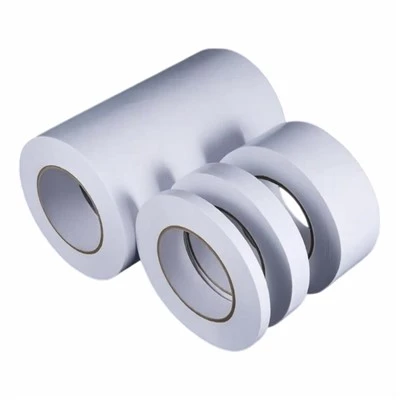
Understanding Fabric-Backed Tape
Fabric-backed tape is composed of a fabric carrier, typically made from materials like cotton, polyester, or a blend of both. The fabric is coated with an adhesive on one side, which can vary in type and strength depending on the intended use. One of the key advantages of fabric-backed tape is its flexibility. The fabric carrier allows the tape to conform to irregular surfaces, making it suitable for a wide range of applications, from simple household repairs to industrial uses.
The strength of fabric-backed tape comes from the fabric itself. Unlike tapes with plastic or paper carriers, the fabric can withstand more tension and stress without tearing. This inherent strength is further enhanced by the choice of adhesive. For fabric-backed tapes designed for heavy-duty use, strong adhesives such as rubber-based or acrylic adhesives are often used. These adhesives provide excellent bonding power, ensuring that the tape stays in place even under challenging conditions.
Heavy-Duty Applications and Requirements
Heavy-duty applications typically involve high levels of stress, tension, and wear. In industries such as construction, automotive, and manufacturing, tapes are often required to hold up large components, seal gaps under high pressure, or provide a durable surface for long-term use. For example, in construction, tapes may be used to seal joints in insulated panels, where they need to withstand temperature variations, moisture, and mechanical stress. In the automotive industry, fabric-backed tape can be used for wire harnessing, where it must resist vibrations, heat, and chemicals.
Some of the key requirements for tapes in heavy-duty applications include:
- Strength and Tensile Resistance: The tape must be able to withstand significant pulling and stretching forces without breaking or losing its adhesion.
- Temperature Resistance: It should maintain its performance in extreme temperatures, whether it’s hot or cold.
- Chemical Resistance: Resistance to chemicals, oils, and solvents is crucial in many industrial environments.
- Durability: The tape should be able to withstand abrasion, wear, and weathering over an extended period.
Suitability of Fabric-Backed Tape for Heavy-Duty Applications
Strength and Tensile Resistance
Fabric-backed tape excels in providing high strength and tensile resistance. The fabric carrier gives the tape its inherent durability, allowing it to handle heavy loads. For instance, a high-quality fabric-backed tape can be used to secure heavy equipment components during transportation. The fabric’s ability to distribute stress evenly across the surface helps prevent the tape from tearing under tension. Additionally, the strong adhesives used in heavy-duty fabric-backed tapes ensure a secure bond, further enhancing the tape’s overall strength.
Temperature Resistance
The performance of fabric-backed tape in different temperature conditions depends on both the fabric and the adhesive used. Some fabric materials, such as polyester, have good temperature resistance and can maintain their integrity in a wide range of temperatures. Similarly, certain adhesives, like acrylic adhesives, are designed to perform well in extreme heat or cold. For example, in outdoor construction projects, fabric-backed tape can be used to seal roofing materials, where it needs to withstand high temperatures during the day and low temperatures at night without losing its adhesion or strength.
Chemical Resistance
In environments where exposure to chemicals is common, fabric-backed tape can be formulated to provide chemical resistance. Rubber-based adhesives can offer some level of resistance to oils and solvents, while acrylic adhesives can provide better resistance to a wider range of chemicals. However, it’s important to note that the level of chemical resistance may vary depending on the specific type of tape and the chemicals it is exposed to. In industrial settings where harsh chemicals are present, it’s crucial to select a fabric-backed tape that is specifically designed for chemical resistance.
Durability
The fabric construction of fabric-backed tape makes it highly durable. It can withstand abrasion and wear, making it suitable for long-term use in heavy-duty applications. For example, in manufacturing plants where machinery is constantly in motion, fabric-backed tape can be used to secure hoses or cables. The tape’s ability to resist damage from friction and movement ensures that it remains in place and provides a reliable solution for extended periods.
Limitations of Fabric-Backed Tape in Heavy-Duty Applications
While fabric-backed tape has many advantages for heavy-duty applications, it also has some limitations. One of the main limitations is its weight. In applications where weight is a critical factor, such as in aerospace or lightweight automotive components, the relatively heavier fabric-backed tape may not be the best choice.
Another limitation is its resistance to very high pressures. In applications where extremely high-pressure seals are required, such as in hydraulic systems, fabric-backed tape may not be able to provide the necessary level of sealing performance. In these cases, specialized tapes or gaskets may be more suitable.
Case Studies
To illustrate the effectiveness of fabric-backed tape in heavy-duty applications, let’s look at a few case studies.
Construction Industry
In a large-scale commercial construction project, fabric-backed tape was used to seal the joints between insulated wall panels. The tape needed to withstand temperature variations, moisture, and air pressure differentials. The fabric-backed tape, with its strong adhesive and flexible fabric carrier, was able to conform to the irregular surfaces of the panels and provide a reliable seal. Over time, the tape maintained its adhesion and integrity, preventing air and moisture infiltration, which helped improve the energy efficiency of the building.
Automotive Industry
In an automotive manufacturing plant, fabric-backed tape was used for wire harnessing. The tape needed to resist vibrations, heat, and chemicals. The fabric’s durability and the tape’s strong adhesive ensured that the wires were securely bundled together. Even after long hours of operation, the tape remained in place, protecting the wires from damage and ensuring the proper functioning of the electrical systems in the vehicles.
Conclusion

In conclusion, fabric-backed tape can be a suitable option for many heavy-duty applications. Its strength, flexibility, temperature resistance, chemical resistance, and durability make it a reliable choice in a variety of industries. However, it’s important to consider the specific requirements of your application and the limitations of fabric-backed tape before making a decision.
Masking Tape If you have a heavy-duty application that you think could benefit from fabric-backed tape, I encourage you to reach out to discuss your needs. As a supplier of fabric-backed tape, I can provide you with samples, technical information, and guidance to help you select the right tape for your project. Contact me to start a conversation about how fabric-backed tape can meet your heavy-duty requirements.
References
- Hoadley, R. B. (2001).Understanding Wood: A Craftsman’s Guide to Wood Technology. Taunton Press.
- Schowengerdt, R. A. (2007). Remote Sensing: Models and Methods for Image Processing, Second Edition. Academic Press.
- ASTM International. (2023). Standards related to adhesives and tapes.
Haining Sunrich Adhesive Tape Products Co., Ltd.
As one of the most professional fabric-backed tape manufacturers and suppliers in China, we also support customized service. Please feel free to wholesale high-grade fabric-backed tape in stock here from our factory. Welcome to contact us for quotation.
Address: No. 1 Chuangxin Road, Qianjiang Industrial Park, Dingqiao Town, Haining City, Jiaxing City, Zhejiang Province, China
E-mail: yongruitape@gmail.com
WebSite: https://www.yongruii.com/
