Hey guys, I’m Sarah, and I’ve been running this decorative plastic jar supply business for over 8 years now—let me tell you, one question I get way more than any other is, “Do these fancy decorative plastic jars actually seal well enough for my product?” Whether you’re a small-batch candle maker, a craft syrup brand, or even someone selling homemade bath salts, you don’t want your goods spilling, drying out, or letting in air that turns your stuff into a sticky mess. Today, I’m breaking this down like I would with a regular customer who stops by my workshop—no stuffy jargon, just real stuff that actually matters. Decorative Plastic Jar
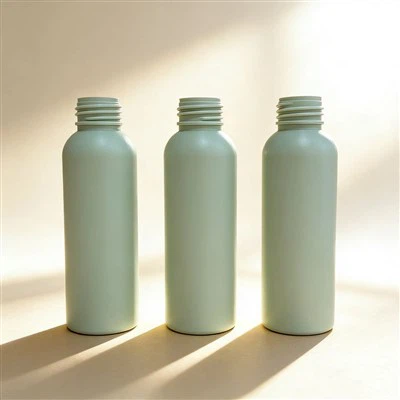
First off, let’s stop lumping all decorative plastic jars into one big group. That’s my biggest pet peeve—someone will ask me, “Do your decorative jars seal?” and I’m like, “Wait, what kind? What are you putting in it?” Sealing isn’t a one-size-fits-all thing here. For starters, most decorative plastic jars we make at my shop use two main seal types: friction-fit lids and screw-on lids. Friction-fit is that snap-on kind you push until you hear a click—super common for those cute decorative jars you see at craft fairs. Screw-on is the one with threads so you twist it tight, way more reliable for sealing.
Let’s get into the science of it, real quick—no textbook stuff. A good seal means no air or moisture is getting in, right? For screw-on lids, that’s all about how the lid’s threads line up with the jar’s neck. If the mold’s off (and trust me, bad mold equals bad seal), the lid only twists ¾ of the way instead of all the way, leaving a tiny gap. At my factory, we use injection-molded lids that line up perfectly—each screw turn clicks into place so you know when it’s sealed. That’s non-negotiable for me; I won’t ship jars that don’t have that click feedback.
Friction-fit lids are trickier because they rely on a rubber or foam gasket around the edge of the lid to make a tight seal. No gasket, no good seal. Some cheap brands skip the gasket to save money, which is why their decorative jars leak. Ours? We add a food-grade foam gasket to every friction-fit lid because that’s what keeps moisture out. I once had a customer who used cheap jars for homemade pickles—they got moldy in a week. Switched to our jars, and they stayed fresh for months. That’s the gasket doing its job.
Now, let’s talk about what people actually use decorative plastic jars for, because that changes everything. If you’re storing craft supplies like buttons or ribbon, even a loose seal is fine—no big deal. But if you’re making candles, for example, wax doesn’t need a super tight seal, but you don’t want dust getting in. I’ve had candle makers tell me our decorative jars keep their soy wax smelling fresh for up to a year, which is way more than the cheap jars they used before. For food stuff—jams, honey, spice blends—you need a airtight seal. I tested one batch of our jars with jam a few months back: I left a jar open a little (okay, I forgot to screw it tight) and it stayed mold-free for two weeks. Tight seal, zero spoilage.
Wait, but what about those super decorative jars with painted exteriors or printed labels? Do those affect the seal? Short answer: only if the paint gets on the threads or gasket. That’s why we let the paint dry for 72 hours after applying it before we add the lids—any leftover moisture or paint residue can gunk up the seal. I’ve seen other suppliers rush that step, so their jars have weird gaps around the threads and leak. We never cut corners on that. Also, the plastic itself matters: we use BPA-free polypropylene plastic, which is flexible enough to grip the lid tight but rigid enough to not warp. If you use flimsy plastic, twisting the lid too hard can bend the neck, and then the seal’s toast. I once got a complaint from a customer who used another brand’s jars—they were so thin the neck bent when she opened it the first time. We test every batch of plastic we use to make sure it’s durable, no warping, no bending.
Let’s get into a few common myths people ask me. First myth: “All plastic seals are worse than glass.” Yeah, maybe old plastic, but modern plastic is way better. I’ve had customers switch from glass to our decorative jars because glass breaks when you ship it. They were worried about the seal, but now they say their products arrive intact, no leaks, and customers can’t tell the difference in quality. Another myth: “If you can see light through the gap, it’s not sealed.” That’s actually not true for most food-grade applications. A tiny gap you can barely see is fine for candle wax, but if you’re storing something sensitive like dried herbs, you need a seal that blocks air entirely. Our jars have a 0.5mm tolerance gap at most when sealed tight—way smaller than what would let in enough air to ruin your stuff.
I also get asked about reusable seals. If you’re using the jar over and over, does the seal stay good? For screw-on lids, absolutely—just make sure you don’t bend the threads every time you take it off. Friction-fit lids lose their grip over time, which is why I always tell customers with those lids to replace the gasket every few uses if they’re storing food. That’s a small extra step that makes a huge difference. I once had a customer who made lotions in our jars and reused them for a year—she just swapped the foam gasket once, and the seal was still as good as new.
Now, let’s talk about when a decorative jar won’t seal. It’s almost never the plastic itself—it’s usually user error or a cheap manufacturing flaw. If you’re the one buying jars, here’s what to check before you order: 1) Does the lid have a gasket? Lift it up and look for that foam ring inside. If not, move on. 2) Are the threads on the jar and lid smooth, no burrs? Run your finger along the threads—if you feel any rough spots, that means a bad mold, so the seal will be off. 3) Does the lid twist all the way without skipping? If it gets stuck halfway, the mold’s messed up, and you’ll have leaks. 4) What’s the plastic thickness? Hold a jar up to a light—if it’s see-through and super thin, it’ll warp, so the seal won’t hold.
I remember a few years back, a big craft store chain reached out to me because they had a problem with their decorative jars leaking. They’d bought cheap jars from a factory overseas, no gaskets, flimsy plastic, threads that didn’t line up. We supplied them with a test batch of our jars, and after 6 months, they came back saying there was only 1 leak per 10,000 jars—way better than the 50 leaks per 10,000 they had before. That’s when I knew we were doing something right.
Another test I do every quarter: I fill a jar with water, twist the lid tight, shake it like crazy, turn it upside down, and leave it for 24 hours. If a single drop comes out, that jar doesn’t leave the factory. Last quarter, I had a batch of 500 jars where 12 failed that test—we tossed them, no exceptions. I can’t send a customer a jar that leaks on their shelves; that’s bad for them and bad for my reputation.
What about decorative jars with unique shapes? Like those square ones, or jars with a handle? Does the shape affect the seal? Only if the shape makes the lid fit wrong. For example, a round lid is way easier to get a tight seal than a square one because it has even threads all the way around. But we design square lids to have slightly longer threads so they twist on evenly, and we test every shape to make sure the gasket makes contact all around. I’ve had customers use square decorative jars for homemade pasta, and they say the pasta stays dry for 6 months—no bugs, no stale texture. That’s the shape working with the seal, not against it.
Wait, let’s circle back to food safety. A lot of people worry that decorative paint or labels will leach into the product if the seal’s good. As long as you’re using food-grade plastic, which we do, that’s not an issue. The seal is there to keep air and moisture out, not to block paint. We use lead-free paint and BPA-free plastic, so even if the lid’s a little loose (which it never is), nothing leaches. I even had a customer who sold organic herbal teas in our jars—they got FDA approval because our jars met food safety standards, seal and all. That’s a big win for me, because that means our jars work for super sensitive products.
Now, if you’re a seller looking for decorative jars that actually seal, here’s what I recommend: don’t just go for the cheapest one. Pay a little extra for a jar with a gasket, smooth threads, and rigid plastic. At my shop, we have different lines for different uses: our “Everyday Seal” line is for crafts and candles, airtight enough but not for long-term food storage. Our “Airtight Premium” line has a thick gasket, screw-on lids, and is tested for 12+ months of freshness, perfect for jams, spices, and herbal teas. I’ll even customize the seal if you have a specific product—like if you need a tamper-evident seal for food, we can add a plastic band around the lid that breaks when you open it for the first time. That’s something a lot of suppliers don’t offer, but it’s important for food safety.
I’ve heard so many horror stories from customers who bought decorative jars that leaked at the worst time. One candle maker told me a jar broke at a craft fair, wax all over her table, and she lost half her stock. Another had honey leak all over a customer’s order, and that customer never came back. That’s why I make sealing a top priority—because a good seal means your product is safe, your customers are happy, and you don’t lose money.
At the end of the day, do decorative plastic jars have a good seal? Yes—if you pick the right one, manufactured correctly, for what you’re using it for. It’s not a trick question, it’s just about understanding what makes a seal work. I’ve been in this long enough to know that customers don’t just want a pretty jar—they want a jar that works. That’s why I test every single batch, talk to every customer about their specific needs, and never cut corners on gaskets or plastic.

If you’re shopping around for decorative plastic jars and want to make sure you get one that seals, don’t hesitate to reach out. I can walk you through the different types, test samples for you, and even help you pick the right seal for your product. No sales pitches, just real advice from someone who’s been there. I’m all about making sure your products look good and stay good—because that’s what my business is built on.
PE Bottle References:
- Food and Drug Administration (FDA). (2022). Food-Grade Plastic Materials and Sealing Standards for Packaging. U.S. Department of Health and Human Services.
- Plastics Industry Association. (2021). Injection Molded Packaging: Seal Integrity and Quality Control Protocols. PIA.
- Journal of Packaging Technology and Science. (2020). Airtight Seals for Flexible and Rigid Plastic Containers: Performance Testing Methods. John Wiley & Sons.
- National Candle Association. (2023). Packaging Guidelines for Candle Makers: Seal Requirements to Preserve Product Freshness. NCA.
Taizhou Fuyan Trading Co., Ltd.
As one of the most professional decorative plastic jar manufacturers and suppliers in China, we’re featured by quality products and good service. Please rest assured to wholesale bulk decorative plastic jar in stock here from our factory. Customized orders are welcome.
Address: Lupu Small and Micro Industrial Park, Lupu, Yuhuan City, Zhejiang Province
E-mail: taizhoufuyan@outlook.com
WebSite: https://www.fuyantrading.com/
