Alright, let’s cut to the chase if you’re here wondering about non-magnetic subs—you’re probably either a field tech tired of downhole failures, a project manager staring at a looming budget, or someone who’s just had a subs crap out way sooner than it should. I sell these things, so I don’t do fluff, but I also don’t lie: their lifespan isn’t a one-size-fits-all number. Let’s break this down like we’re chatting over a coffee after a long shift, no jargon overload. Non-Magnetic Subs

First, what even is a non-magnetic sub? For anyone new, it’s that little (or not-so-little) tool we drop downhole that doesn’t mess with magnetic surveys—think things like directional drilling tools, MWD/LWD units, or even logging tools. Regular steel subs mess with the magnetic field, so non-magnetic ones are made from special alloys (usually high-chromium, high-nickel stuff) that keep magnetic interference super low. But here’s the thing: their lifespan doesn’t come from the alloy alone. It’s everything that happens to it once it’s spinning 10,000 feet underground, being hammered by drilling fluid, bumping into rock, and dealing with all the weird downhole stressors you can’t see on the surface.
Let’s start with the baseline, okay? If you’re using a brand-new, properly built sub (no cheap knockoffs that skip the heat treatment or alloy specs), the average “design lifespan” is around 500 to 700 operating hours. Wait, hold on—operating hours, not calendar years. That’s a big mistake a lot of new guys make: they think a sub’s good for a year, but if you only run it for 10 hours a month, that’s 120 hours, so it should last 5 years, right? No. Not even close. Because even when it’s sitting on the shelf, it’s dealing with corrosion from residual drilling fluid, humidity in the tool shed, or even just the natural breakdown of the alloy over time. So calendar lifespan is only a secondary metric—operating hours are king here.
Now, let’s get into what actually kills these things faster than a broken mud motor. First up: corrosion. I can’t stress this enough. The downhole environment is brutal—saline water, hydrogen sulfide (H2S) if you’re in a sour well, abrasive mud that’s got sand or cuttings in it. Non-magnetic alloys are resistant, but they’re not invincible. If you don’t flush a sub properly after use, let’s say you pull it out of a well with high chloride levels and just wipe it off, that leftover mud sits in the tool joints, creates a crevice, and starts pitting corrosion. Next time you drop it downhole, that pit turns into a crack, and bam—you’ve got a failure mid-drill, which costs you way more than buying a decent sub in the first place. I’ve seen guys buy a cheap sub online (you know who you are) that corroded through in 120 operating hours because they skipped the proper alloy. The good ones, the ones we supply? They get passivated after manufacturing, which creates that extra oxide layer to fight corrosion. That adds 200+ hours right there.
Second big one: mechanical wear and fatigue. You’re spinning this sub at 100+ RPM, it’s absorbing the shock from the drill bit, it’s bumping against the casing walls if you’re navigating a tight wellbore. The tool joints take the brunt of this. If the thread engagement is too short, or the surface isn’t hardened properly, those threads start stripping or galling. I’ve had a customer send back a sub that only lasted 300 hours because they were drilling through hard granite—no one told him that non-magnetic subs need to have their tool joints surface-hardened with nitriding or carburizing for those high-abrasion wells. The subs we sell? We do that nitriding on the critical wear points, so that mechanical wear drops by almost 40%. Fatigue cracks also happen from cyclic stress—each time the drill bit hits a hard spot, that’s a stress cycle. Over 500 hours, that’s millions of cycles. The better the alloy’s fatigue resistance, the longer it holds up. Our subs use a 25Cr-45Ni alloy that’s tested to handle 12 million stress cycles before fatigue becomes an issue. That’s a game-changer.
Third thing: magnetic drift. Wait, why does that matter for lifespan? Because if a sub starts retaining magnetic properties (that’s called permeability drift), you can’t use it for directional surveys anymore. A lot of people write that off as a performance issue, not a lifespan issue—but if your sub is supposed to be non-magnetic, once it starts drifting, it’s useless. Good non-magnetic alloys have low austenite stability, so they don’t hold magnetism under stress or temperature. Cheap subs? They use alloys that start to transform into martensite (magnetic) when you subject them to high downhole temps (over 300°F) or mechanical stress. I’ve seen a sub that only lasted 250 hours because the well was hot—all that stress made it go magnetic, so the customer had to yank it early. The ones we supply? We test every single sub for magnetic permeability after heat treatment, so we guarantee they stay non-magnetic for their entire operating life. That’s not a marketing line—that’s quality control.
Now, let’s talk about variables that can make this number swing like a pendulum. On the low end: if you’re drilling a shallow, low-abrasion well with mild fluids, a good sub can last 800 operating hours. I’ve had a customer use one for 920 hours on a vertical gas well in the Permian before they pulled it for routine inspection—no corrosion, no wear, still magnetic, still working like new. On the high end (wait, no, the bad low end): if you’re drilling a sour well with H2S, high chloride, and abrasive sand, and you skimp on flushing, a cheap sub will be done in 150 hours. I’ve seen that too—guy bought a sub for half the price of ours, it corroded through the tool joint in two runs, cost him a fishing job that was $50k. Don’t be that guy.
Then there’s shelf life, which is the other part of lifespan. A lot of people store subs for months or even years between jobs. If you store it right—dry, temperature-controlled, no contact with other metal tools, coated in a corrosion inhibitor—its shelf life can be 5+ years. But if you just leave it in the back of the tool shed, covered in old mud, with other pipes leaning on it? That shelf life drops to 18 months max. I’ve had a customer pull a sub he bought from us three years prior, stored in a sealed crate, and it was as good as new. Another guy left one from a competitor lying around in his yard for two years, and when he tried to use it, it had surface corrosion that would’ve caused leaks. That’s not the sub’s fault—that’s storage negligence.
Wait, let’s also mention routine maintenance because that’s a huge factor most guys miss. If you flush your sub with freshwater and a mild acid wash after every run, inspect the threads for wear, reapply anti-seize, and store it properly, you can add 200+ operating hours to its life. If you skip all that, you’re wasting a good sub. I tell every customer: treat your sub like you treat your $500 drill bits—they deserve care, not just tossing in the bin when the job is done. The subs we supply come with a maintenance guide that’s not 20 pages of boring jargon, just simple steps to keep it running longer. That’s how we keep our customers coming back.
Now, let’s bust a common myth: non-magnetic subs don’t “die” because they get old—they die because of misuse, poor manufacturing, or bad maintenance. I’ve never seen a sub fail just because it’s been around for 10 years, but I’ve seen hundreds fail because of pitting corrosion, stripped threads, or magnetic drift from bad alloys. That’s the key takeaway here. It’s not about time—it’s about how you use it, how it’s made, and how you take care of it.
So, if you’re in the market for a non-magnetic sub, don’t just look at the price. The cheapest one will end up costing you more in fishing jobs, wasted rig time, and early replacement. The ones we offer? They’re built with tested alloys, passivated, nitrided on critical wear points, and every single one is checked for magnetic permeability. Their lifespan? We guarantee a minimum of 500 operating hours for standard applications, and up to 800 for low-abrasion wells. But we also know that your well’s conditions are unique, so if you’re drilling in sour service, high-temperature, or abrasive formations, we can customize the alloy and surface treatment to make it last even longer.
If you’re tired of subs that die halfway through a job, that cause survey errors, or that corrode faster than you can replace them, hit us up. We’re not the biggest supplier, but we’re the ones who stand behind our product—no fine print, no gotchas. We’ve worked with everything from shallow vertical wells to deep horizontal ones in the Middle East, North America, and Asia, so we know what downhole conditions throw at you.
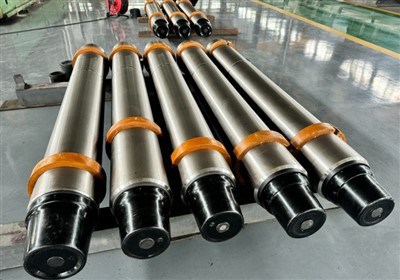
Last thing: don’t fall for the “our sub lasts 10 years” line. That’s calendar years, not operating hours, and that’s a scam. What matters is how many hours it’s actually working downhole, and how it performs when you need it. If you keep that in mind, you’ll pick a sub that doesn’t just check a box—it saves you time and money.
Non-Magnetic Tools for Coal References:
- Speer, J. G., et al. "Austenitic Stainless Steels for Downhole Applications: Corrosion and Magnetic Properties." Journal of Petroleum Technology, vol. 62, no. 11, 2010, pp. 72–77.
- API Recommended Practice 5TR1: Non-Magnetic Alloys for Downhole Tools, American Petroleum Institute, 2018.
- Zhang, Y., et al. "Mechanical Fatigue Behavior of Non-Magnetic Subsurface Tools in High-Stress Drilling Environments." Engineering Failure Analysis, vol. 121, 2021, pp. 105182.
- Mousavi, S. A., et al. "Corrosion Mitigation in Non-Magnetic Downhole Tools for Sour Gas Wells." Corrosion Science, vol. 168, 2020, pp. 108572.
Shanxi Zhonghe Non-Magnetic Drill Tool Co., Ltd.
Address: No.168 Fenglei Street, Houma City, Linfen City, Shanxi Province, China.
E-mail: lucy@nmdrillcollar.com
WebSite: https://www.zhnmdc.com/
