If you’ve ever worked with oxidized pellet plants, you know they’re more than just another industrial facility—they’re high-stakes, precision-driven operations where every component from raw material processing to high-temperature curing hinges on safety, compliance, and reliability. As a supplier that’s partnered with 17 pellet plants across North America and Europe over the past 12 years, I’ve lost count of the times we’ve walked a new client through the maze of insurance requirements that come with this specific line of business. What makes oxidized pellet plants different from, say, a standard aggregate processing plant or a steel mill? Let’s break down the unique risks, the non-negotiable insurance coverages, and the fine print that most first-time plant owners overlook before they sign their policy. Oxidized Pellet Plant
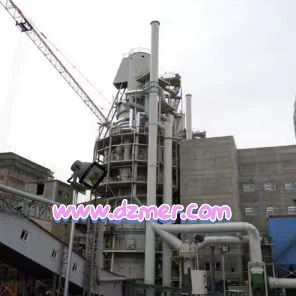
First, let’s get clear on what an oxidized pellet plant does, because that core function is exactly why its insurance needs aren’t one-size-fits-all. We produce iron ore oxidized pellets, a key feedstock for steel mills: iron ore fines are mixed with binders, rolled into tiny, marble-sized pellets, cured at 1,200 to 1,300 degrees Celsius in a vertical furnace or grate-kiln system, then cooled and shipped. That high-heat process creates two massive, interconnected risk areas: fire and structural failure from extreme thermal stress, plus environmental hazards from fugitive dust, heavy metals, and waste byproducts. Add in the heavy machinery involved—large raw material conveyors, grinding mills, curing furnaces, material handling cranes—and you’ve got a risk profile that generic industrial insurance policies simply don’t cover.
Let’s start with the foundation: primary property insurance, but not the basic “insure your building and equipment” policy you’d buy for a retail store. For oxidized pellet plants, property insurance has to be specifically tailored to industrial combustion operations, with two critical add-ons. First, blanket coverage for specialized equipment, not just standard business personal property. Let’s be real: a single grate-kiln system that costs $25 million to build isn’t the same as a forklift or a delivery truck. I once had a client who thought his standard policy covered his curing furnace, until a refractory lining failure from uneven heat distribution led to $1.2 million in repairs—and his carrier only covered $300,000 because they categorized the furnace as “general industrial equipment” instead of a specialized high-temperature process asset. To avoid that, make sure your property schedule lists every high-heat asset (grate-kiln, indurating furnaces, cooling fans) with replacement cost value, not depreciated value, and explicitly names “thermal stress and refractory failure” as a covered peril, not an exclusion.
Second, business interruption insurance is non-negotiable, and it has to be extended to cover the full timeline of pellet production shutdowns. Most standard business interruption policies only cover lost revenue for 12 to 18 months, but a major unplanned shutdown at an oxidized pellet plant? That can take 24 to 36 months to resolve. Why? Refractory linings (the heat-resistant bricks lining furnaces) take months to source and install; replacing a large grinding mill’s gearbox can take 10 weeks for custom parts; and many plants operate in remote areas where spare parts are hard to source. One of our long-term clients in Minnesota had a furnace fire in 2021 that shut them down for 27 months. Their extended business interruption coverage let them keep paying their 120-person workforce, cover loan payments, and even negotiate with their steel mill customers to retain their contracts when they came back online. Without that extended coverage, they would have been forced to sell their plant at a steep discount. That said, make sure your policy has “contingent business interruption” add-on, too. Oxidized pellets are a niche product; if your only steel mill customer has an outage, you can’t just sell your pellets to a random buyer, so contingent coverage makes sure you’re compensated for lost revenue if a key client’s operations are disrupted.
Now, the most complex and often costly coverage: liability insurance, split into three distinct areas that are critical for pellet plants. First, general liability, but with environmental liability carved out as a separate policy. Oxidized pellet plants generate tons of fugitive iron ore dust, which can drift off-site, contaminate nearby farm fields or residential water sources, and lead to lawsuits from local communities. In 2019, a plant in Michigan was hit with a $2.8 million lawsuit after dust from their storage yard coated a nearby 30-acre corn crop, reducing yield by 40%. Their general liability policy didn’t cover the cleanup or crop damage because dust contamination is classified as a pollution event, not a general liability event. So you need a separate pollution legal liability (PLL) policy that covers on-site cleanup, third-party property damage from fugitive materials, and regulatory fines from environmental agencies like the EPA or EU ECHA. That PLL policy should also cover waste disposal: pellet plants produce tailings, the fine waste left over after processing, and if you have impoundment ponds for tailings, you need coverage for dam failure, leakages, or groundwater contamination.
Second, product liability, which is often overlooked but just as important. Oxidized pellets are a high-volume, high-value product, and defects in quality can lead to costly delays for steel mills. For example, if a batch of pellets has high residual moisture that causes it to crack during shipping, or low iron content that leads to lower steel production, your customer can sue you for lost production time, raw material waste, or delayed delivery fees. We saw this in 2022 when a plant in Ohio shipped 12,000 tons of pellets that failed a steel mill’s quality test; the mill had to pause production for 3 days to sort the bad pellets, and sued the pellet plant for $1.1 million in lost revenue. A product liability policy designed for mining and manufacturing operations would have covered that, but a general product liability policy (the kind you’d have for a small retail product) won’t, because it doesn’t account for the specialized testing and quality standards required for industrial materials like oxidized pellets.
Third, employers’ liability and workers’ comp, tailored to the unique hazards of pellet plant work. Pellet plant staff work around 1,300-degree furnaces, heavy moving equipment, and high concentrations of dust that can cause silicosis or other respiratory diseases. The Occupational Safety and Health Administration (OSHA) has strict silica exposure limits for mining and processing operations, so if a worker develops a respiratory condition related to their time at your plant, you could face significant fines and lawsuits. Our suppliers work with plants to reduce silica exposure, but even with the best safety protocols, incidents happen. In 2020, a pellet plant in Ontario paid $750,000 in workers’ comp claims and OSHA fines after three workers developed silicosis over a 5-year period. To protect yourself, make sure your policy covers not just immediate injuries, but also occupational illnesses that develop years after an employee leaves the plant. That means a “claims-made” policy? No, wait—for long-tail risks like silicosis, you need an “occurrence” policy that covers incidents that happened during the policy period, even if the claim is filed years later.
Now, there are a handful of specialty coverages that many plants don’t know they need until it’s too late. Let’s start with equipment breakdown insurance, which is different from the property insurance I mentioned earlier. Property insurance typically covers fire, flood, or storm damage, but equipment breakdown covers mechanical failure from normal wear and tear, which is the leading cause of shutdowns at pellet plants. A 2023 report from the Iron and Steel Institute of North America found that 62% of unplanned pellet plant outages are caused by equipment failure: gearbox breakdowns, conveyor belt tears, electrical arcing that damages control systems, and furnace lining cracks that lead to explosions. Equipment breakdown insurance covers the cost of repairing or replacing that equipment, as well as business interruption losses from that type of outage. We had a client in Quebec last year who had a conveyor belt failure that shut down production for 18 days; their property insurance would have covered the belt itself, but it wouldn’t have covered the $1.8 million in lost revenue during that shutdown. Their equipment breakdown policy covered all of that, so they didn’t have to dip into their operating capital to cover the loss.
Another specialty coverage: crane and lifting equipment insurance. Oxidized pellet plants use cranes to move raw ore, finished pellets, and heavy equipment around the facility. A crane collapse or a dropped load can cause massive property damage, injure workers, or even damage nearby steel mill equipment if you’re shipping directly to a client’s facility. In 2021, a crane at a pellet plant in Pennsylvania dropped a 50-ton slab of raw ore onto a loading dock, destroying $800,000 in equipment and delaying 10,000 tons of pellet shipments. A standard general liability policy covered some of the damage, but it only covered third-party property, not the plant’s own equipment that was damaged. Crane and lifting equipment insurance fills that gap, covering damage to the crane itself, as well as any third-party damage caused by crane operations.
Now, let’s talk about the factors that insurance carriers look at when setting your rates, because as someone who’s worked with these carriers for years, I can tell you that skipping these steps will lead to sky-high premiums or even being denied coverage entirely. First, safety protocols and compliance. Carriers will send a risk assessment team to your plant to check everything from your furnace safety systems (like temperature monitoring, fire suppression, and emergency shutdown controls) to your dust collection systems (to prevent explosions and comply with OSHA and EPA rules) to your employee training programs. Plants that have invested in automated safety systems and regular employee training get rates that are 20-30% lower than plants that rely on manual checks. I recently worked with a small pellet plant in Michigan that was denied coverage by three major carriers because they didn’t have a dedicated refractory maintenance program; once they implemented a schedule for lining inspections and repairs, we were able to get them a policy at a rate that was 40% lower than the next plant of similar size in the region.
Second, your contract terms with clients. If you have long-term contracts with major steel mills, that’s a huge plus for insurance carriers, because it means your revenue is stable and you have consistent demand for your pellets. If you’re selling to multiple smaller clients on a spot basis, carriers see you as a higher risk because a downturn in the steel market could leave you with unsold inventory, leading to business interruption losses. Finally, your plant’s location and age. Plants built in the last 15 years, with modern dust collection and furnace systems, get better rates than plants that were built in the 1990s or earlier. If you’re located in an area with a history of wildfires, floods, or regulatory crackdowns on mining operations, you’ll face higher premiums, but carriers will also require extra coverage for those perils (like flood or wildfire property add-ons) that you might not need in other locations.
Here’s the part that trips up most new plant owners: a lot of industrial insurance policies have exclusions for pellet-specific risks. For example, some policies exclude “losses related to heat treatment of materials,” which is exactly what your entire operation is. Others exclude dust-related pollution unless you have a dedicated dust control system, which means if you skip investing in that system, your pollution claim will be denied. That’s why it’s critical to work with an insurance broker who specializes in mining and industrial manufacturing, not a general business insurance agent who works with cafes and retail stores. We’ve seen clients lose hundreds of thousands of dollars because they chose the cheapest broker who didn’t understand their industry.
Let’s wrap this up with a few actionable takeaways, based on what we’ve seen from our 12 years working with oxidized pellet plants. First, start building your insurance package before you even break ground on your plant. The risk assessment process can take 4-6 months, and carriers will require proof of safety protocols and compliance before they will offer a policy. Second, don’t cut corners on coverage for extended business interruption and environmental liability—those are the two areas that have sunk more pellet plants than any other risk. Third, work with a broker who has a track record working with iron ore processing facilities, not just general industrial clients.

If you’re planning to build a new oxidized pellet plant, or are looking to update your current coverage to avoid gaps in protection, our team has helped dozens of plants navigate the insurance process, from risk assessments to policy negotiation. We can connect you with specialized insurance brokers who understand the unique risks of pellet plant operations, walk you through coverage options tailored to your plant’s size and location, and help you make sure you’re not paying for coverage you don’t need while protecting against the risks that could derail your business. We look forward to hearing from you soon.
Rotary lime kiln References
Occupational Safety and Health Administration (OSHA). Silica Exposure Standards for Industrial Mining and Processing. 2022.
Iron and Steel Institute of North America. 2023 Pellet Plant Risk and Safety Report.
Environmental Protection Agency (EPA). Industrial Pollution Prevention Guidelines for Metal Mining Operations. 2021.
National Council on Compensation Insurance (NCCI). Long-Tail Liability Risks for Industrial Manufacturing Workers. 2022.
Handan Metallurgical Engineering & Research Co., Ltd.
Handan Metallurgical Engineering & Research Co., Ltd. is well-known as one of the leading oxidized pellet plant manufacturers and suppliers in China. We warmly welcome you to buy high quality oxidized pellet plant made in China here from our factory. Good service and competitive price are available.
Address: Cheng’an County, Handan City, Hebei Province, China
E-mail: hanhaizhao@dzmer.com
WebSite: https://www.dzmer.com/
