Hey there! I’m a supplier of edge banding, and today I wanna chat about the common thicknesses of edge banding. It’s super important to know these thicknesses if you’re in the woodworking or furniture-making business, or if you’re just a DIY enthusiast looking to spruce up your projects. Edge Banding
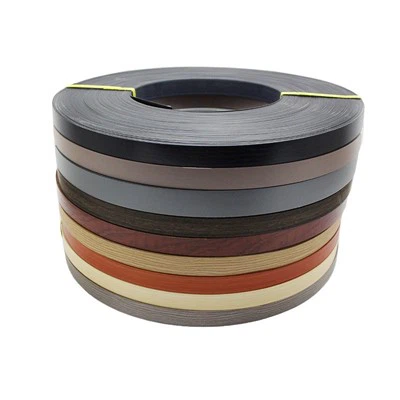
Let’s start with the thinner edge banding options. One of the most common thin edge banding thicknesses is 0.4mm. This is a really popular choice for a few reasons. First off, it’s super flexible. You can easily bend it around curves and edges without it cracking or breaking. This makes it perfect for those intricate furniture pieces or small DIY projects where you need to follow a complex shape. It’s also lightweight, which is great if you’re working on something where weight is a concern, like a portable piece of furniture.
Another thin option is 0.6mm. It’s a bit sturdier than the 0.4mm, but still retains a good amount of flexibility. This thickness is often used in mass-produced furniture. It gives a nice, clean finish to the edges and is cost-effective for large-scale production. The 0.6mm edge banding is also easier to work with when it comes to applying it. You don’t have to worry as much about it wrinkling or getting misaligned during the application process.
Moving on to the medium thicknesses, 1.0mm edge banding is a classic. It’s a great all-around option that offers a good balance between flexibility and durability. This thickness is commonly used in both residential and commercial furniture. It can handle a fair amount of wear and tear, making it suitable for pieces that will get a lot of use, like kitchen cabinets or office desks. The 1.0mm edge banding also provides a more substantial look and feel compared to the thinner options, which can add a touch of quality to your furniture.
Then there’s the 1.2mm thickness. This is a bit thicker and more robust. It’s often used in high-end furniture or in situations where you need extra protection for the edges. For example, in a commercial setting where the furniture is likely to be bumped or knocked around, the 1.2mm edge banding can help prevent damage. It also gives a more premium appearance, which is great for furniture that’s meant to make a statement.
Now, let’s talk about the thicker edge banding. 2.0mm is a heavy-duty option. It’s usually used in industrial applications or for very high-end, custom-made furniture. This thickness provides excellent protection for the edges and can withstand a lot of abuse. It’s also great for creating a bold, dramatic look. If you’re going for a modern, industrial aesthetic, the 2.0mm edge banding can really make your furniture stand out.
3.0mm is even thicker and is often used in specialized applications. For example, in some high-end retail displays or in architectural woodwork, the 3.0mm edge banding can add a sense of luxury and durability. It’s not as common as the thinner or medium thicknesses, but it has its place in certain projects.
So, how do you choose the right thickness for your project? Well, it depends on a few factors. First, think about the type of furniture or project you’re working on. If it’s a small, delicate piece, a thinner edge banding like 0.4mm or 0.6mm might be the way to go. If it’s a heavy-duty, high-traffic piece, you’ll probably want a thicker option like 1.2mm or 2.0mm.
Another factor to consider is the look you’re going for. If you want a subtle, understated finish, a thinner edge banding might be better. If you’re going for a bold, statement look, a thicker edge banding could be the answer.
Also, think about your budget. Thicker edge banding is usually more expensive than thinner options. So, if you’re on a tight budget, you might want to stick with a thinner thickness.
As a supplier of edge banding, I’ve seen all kinds of projects, and I can tell you that choosing the right thickness is crucial. It can make a big difference in the final appearance and durability of your furniture.

If you’re in the market for edge banding, I’d love to help you find the perfect thickness for your project. Whether you’re a professional furniture maker or a DIYer, I’ve got a wide range of edge banding options to choose from. Just reach out, and we can have a chat about your specific needs. I’m here to make sure you get the best edge banding for your money.
Edge Banding References:
- Industry knowledge and experience in edge banding supply.
- Conversations with woodworking professionals and furniture makers.
Yongkang City Dashu Decorative Materials Co., Ltd.
As one of the most professional edge banding manufacturers and suppliers in China, we have world-leading production equipment and strong manufacturing capabilities. Please rest assured to buy bulk customized edge banding at low price from our factory.
Address: No. 1199, Huajie West Avenue, Huajie Town, Yongkang City
E-mail: m13506791251@163.com
WebSite: https://www.dashutrim.com/
