When it comes to resin 3D printing, one of the most critical aspects that often gets overlooked is ventilation. As a supplier of resin 3D printers, I’ve seen firsthand the importance of proper ventilation in ensuring a safe and efficient printing environment. In this blog post, I’ll delve into the reasons why ventilation is necessary for resin 3D printers, the types of ventilation systems available, and how to choose the right one for your needs. Resin 3D Printer
Why Ventilation is Necessary for Resin 3D Printers
Resin 3D printing involves the use of liquid photopolymer resins that are cured by ultraviolet (UV) light to create solid objects. While these resins offer high levels of detail and accuracy, they also emit harmful fumes and volatile organic compounds (VOCs) during the printing process. These fumes can pose a significant health risk to users, especially if they are exposed to them for extended periods.
Some of the potential health effects of inhaling resin fumes include:
- Respiratory problems: Irritation of the nose, throat, and lungs, which can lead to coughing, wheezing, and shortness of breath.
- Eye irritation: Redness, itching, and watering of the eyes.
- Skin irritation: Contact with resin can cause skin rashes, burns, and allergic reactions.
- Headaches and dizziness: Exposure to high levels of VOCs can cause headaches, dizziness, and nausea.
In addition to the health risks, poor ventilation can also affect the quality of your prints. Resin fumes can condense on the printer’s components, such as the build plate and the UV light source, which can lead to print defects and reduced print quality.
Types of Ventilation Systems for Resin 3D Printers
There are several types of ventilation systems available for resin 3D printers, each with its own advantages and disadvantages. Here are some of the most common types:
1. Enclosed Printer with Built-in Ventilation
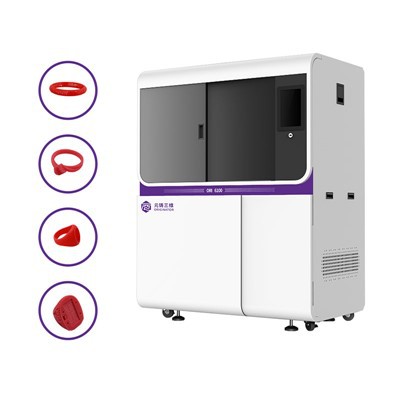
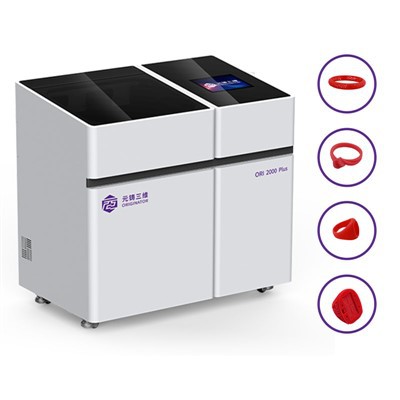
Many modern resin 3D printers come with an enclosed design and a built-in ventilation system. These printers are designed to contain the fumes and VOCs generated during the printing process and exhaust them outside the printer. The ventilation system typically consists of a fan and a filter that removes the harmful particles from the air.
The main advantage of an enclosed printer with built-in ventilation is that it provides a convenient and effective way to control the fumes and VOCs. It also helps to maintain a stable printing environment, which can improve the quality of your prints. However, these printers can be more expensive than open-frame printers, and the ventilation system may not be as powerful as a standalone ventilation system.
2. Standalone Ventilation Hood
A standalone ventilation hood is a popular option for users who have an open-frame resin 3D printer. The ventilation hood is placed over the printer and uses a fan to draw the fumes and VOCs away from the printer and exhaust them outside the room. The ventilation hood typically comes with a filter that removes the harmful particles from the air.
The main advantage of a standalone ventilation hood is that it is relatively inexpensive and easy to install. It also provides a high level of ventilation, which can help to reduce the health risks associated with resin fumes. However, the ventilation hood may not be as effective as an enclosed printer with built-in ventilation, especially if the printer is located in a large room.
3. Ducting System
A ducting system is a more advanced ventilation option that involves installing a series of ducts and fans to exhaust the fumes and VOCs outside the building. The ducting system can be customized to fit the specific needs of your printing environment, and it can provide a high level of ventilation.
The main advantage of a ducting system is that it provides the most effective way to control the fumes and VOCs. It also helps to maintain a clean and healthy printing environment, which can improve the quality of your prints. However, a ducting system can be expensive to install and may require professional installation.
How to Choose the Right Ventilation System for Your Needs
When choosing a ventilation system for your resin 3D printer, there are several factors to consider. Here are some of the most important factors:
1. Printer Size and Type
The size and type of your resin 3D printer will determine the amount of fumes and VOCs generated during the printing process. Larger printers and printers that use more resin will generate more fumes and VOCs, which will require a more powerful ventilation system.
2. Printing Environment
The size and layout of your printing environment will also affect the type of ventilation system you need. If you have a small, enclosed room, an enclosed printer with built-in ventilation may be sufficient. However, if you have a large, open room, a standalone ventilation hood or a ducting system may be necessary.
3. Budget
The cost of the ventilation system is another important factor to consider. Enclosed printers with built-in ventilation are typically more expensive than standalone ventilation hoods, and ducting systems can be the most expensive option. You should choose a ventilation system that fits your budget and provides the level of ventilation you need.
4. Maintenance
The maintenance requirements of the ventilation system are also important to consider. Some ventilation systems, such as enclosed printers with built-in ventilation, may require less maintenance than standalone ventilation hoods or ducting systems. You should choose a ventilation system that is easy to maintain and that does not require a lot of time or effort to keep it in good working condition.
Conclusion
Proper ventilation is essential for a safe and efficient resin 3D printing environment. As a supplier of resin 3D printers, I strongly recommend that you invest in a high-quality ventilation system to protect your health and the quality of your prints. Whether you choose an enclosed printer with built-in ventilation, a standalone ventilation hood, or a ducting system, make sure that it provides the level of ventilation you need and that it is easy to maintain.
Jewelry 3D Scanner If you have any questions or need help choosing the right ventilation system for your resin 3D printer, please don’t hesitate to contact us. Our team of experts is here to help you find the best solution for your needs. We look forward to working with you and helping you achieve your 3D printing goals.
References
- "Safety Guidelines for Resin 3D Printing." 3D Printing Industry.
- "Ventilation Requirements for Resin 3D Printers." All3DP.
- "How to Ventilate a Resin 3D Printer." Printables.
Hangzhou Originator 3D Technology Co., Ltd.
Hangzhou Originator 3D Technology Co., Ltd. is one of the most experienced resin 3d printer manufacturers and suppliers in China. With abundant experience, we warmly welcome you to wholesale high quality resin 3d printer made in China here from our factory. Contact us for more details.
Address: Room 403, Building 2, Block B, Heda Incubation Park,No. 452, 6th Avenue, Xiasha, Qiantang District,Hangzhou, Zhejiang, China
E-mail: Sales@originator3d.com
WebSite: https://www.originator3d.com/
