Hey there, fellow astronomy enthusiasts and tech nerds! I’m here today to chat about one of the cool products we supply, the Raspberry Pi Camera Module, and answer the big question: Is it suitable for astrophotography? Let’s dive right in. Raspberry Pi Camera Module
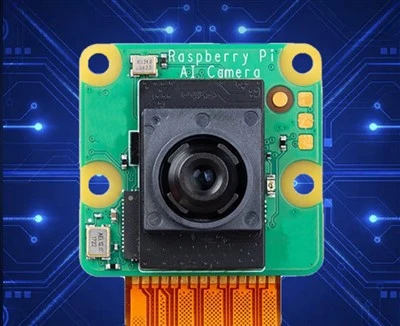
What’s the Raspberry Pi Camera Module Anyway?
First off, for those who might not be in the know, the Raspberry Pi Camera Module is a small, lightweight camera that can be connected to a Raspberry Pi single – board computer. It’s super affordable and easy to use, making it a favorite among hobbyists and DIYers. There are different versions of the camera module, with varying resolutions and features. The most recent ones come with high – quality sensors that can capture some pretty decent photos and videos.
The Basics of Astrophotography
Before we talk about how the Raspberry Pi Camera Module fits into the world of astrophotography, let’s quickly go over what astrophotography is all about. Astrophotography is the art and science of taking pictures of celestial objects like stars, planets, nebulae, and galaxies. It’s not an easy task, though. You’ve got to deal with low light conditions, long exposure times, and the Earth’s rotation, which can cause stars to appear as streaks in your photos.
Pros of Using the Raspberry Pi Camera Module for Astrophotography
1. Cost – effectiveness
One of the biggest advantages of the Raspberry Pi Camera Module is its cost. Traditional astrophotography equipment can cost a small fortune. You might be looking at thousands of dollars for a high – end telescope and camera setup. In contrast, a Raspberry Pi and its camera module can be had for less than a hundred bucks. This makes it accessible to beginners who want to dip their toes into astrophotography without breaking the bank.
2. Compact and Portable
The Raspberry Pi Camera Module is tiny. You can easily carry it around in your backpack and set it up wherever you find a good spot for stargazing. Whether it’s a remote mountain top or a quiet beach, you can take your astrophotography setup with you. This portability gives you the freedom to explore different locations and capture unique celestial views.
3. Customizability
Since the Raspberry Pi is a programmable computer, you can customize the camera settings to suit your astrophotography needs. You can write scripts to control the exposure time, ISO, and other parameters. This level of control allows you to experiment and find the best settings for different celestial objects. For example, you might need a longer exposure time to capture a faint nebula, and you can easily adjust that with a custom script.
4. Community Support
The Raspberry Pi community is huge. There are tons of online forums and communities where you can find tips, tricks, and ready – made code for astrophotography. If you run into a problem with your setup or want to learn more about using the camera module for astrophotography, you can quickly find help and support from other enthusiasts.
Cons of Using the Raspberry Pi Camera Module for Astrophotography
1. Sensor Limitations
The sensors in the Raspberry Pi Camera Module are not as sensitive as those in professional astrophotography cameras. This means that it might struggle to capture very faint objects in the sky. Nebulae and distant galaxies, which often emit very low levels of light, can be challenging to photograph with the Raspberry Pi Camera Module. The noise level in long – exposure shots can also be relatively high, which can degrade the quality of your photos.
2. Lack of Built – in Cooling
Astrophotography often involves long exposure times, which can cause the camera sensor to heat up. When the sensor gets hot, it can generate more noise in the images. The Raspberry Pi Camera Module doesn’t have a built – in cooling system. So, if you’re taking long – exposure shots, you might notice an increase in image noise over time. This can be a significant issue, especially when you’re trying to capture high – quality, detailed images of the night sky.
3. Limited Resolution for Large – Scale Objects
While the Raspberry Pi Camera Module has a decent resolution for its size and price, it might not be sufficient for capturing large – scale celestial objects in great detail. For example, if you want to take a close – up of the moon, you might find that the camera doesn’t have enough resolution to capture all the fine details like craters and mountains on the lunar surface.
Tips for Using the Raspberry Pi Camera Module in Astrophotography
1. Use a Telescope or a Telephoto Lens
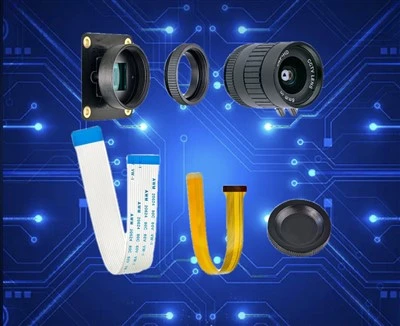
To improve the chances of capturing clear and detailed images of celestial objects, you can attach the Raspberry Pi Camera Module to a telescope or use a telephoto lens. This will allow you to get a closer view of the stars, planets, and other objects in the sky. Just make sure to align the camera properly with the telescope or lens to avoid any issues with focus.
2. Control the Environment
Try to find a location with minimal light pollution. Light pollution from cities and towns can make it difficult to see and photograph faint celestial objects. Also, make sure the camera is stable during long exposure shots. You can use a tripod or mount the Raspberry Pi and camera on a stable surface to prevent any movement.
3. Experiment with Settings
Don’t be afraid to experiment with different exposure times, ISO settings, and white balance. Different celestial objects require different settings to look their best. For example, stars might look better with a shorter exposure time and a lower ISO, while nebulae often need longer exposures and higher ISO values.
Conclusion
So, is the Raspberry Pi Camera Module suitable for astrophotography? Well, it’s a bit of a mixed bag. On one hand, its low cost, portability, and customizability make it a great option for beginners who want to start exploring astrophotography. It’s also a fun project for those who enjoy DIY and tinkering with electronics. On the other hand, its sensor limitations, lack of cooling, and limited resolution can make it a less – than – ideal choice for professional or high – end astrophotography.
If you’re just starting out and want to see if astrophotography is something you’re interested in, the Raspberry Pi Camera Module is definitely worth a try. It won’t break the bank, and you can have a lot of fun with it. And if you’re an experienced astrophotographer looking for a budget – friendly backup or a way to experiment with new techniques, it can also be a useful addition to your toolkit.
USB 2.0 Camera Module If you’re interested in purchasing the Raspberry Pi Camera Module for your astrophotography adventures, feel free to reach out to us. We’re here to answer any questions you might have and help you get started on your celestial photography journey.
References
- Raspberry Pi official documentation
- Various online astrophotography forums and blogs
- Books on basic astrophotography techniques
Shenzhen Juchangxing Technology Co., Ltd.
We are one of the most experienced raspberry pi camera module manufacturers and suppliers in China, also support custom service. We warmly welcome you to wholesale durable raspberry pi camera module at competitive price from our factory. If you have any enquiry about cooperation, please feel free to email us.
Address: 3rd Floor, Build A, No. 8, Huangdiyin IndustrialZone, Longhua District, Shenzhen.
E-mail: sales@juchangxing.com
WebSite: https://www.jcxcamera.com/
