Hey there! As a supplier of stainless steel profiles, I get asked a ton about the differences between different grades of these profiles. It’s a super important topic, especially if you’re in the market to buy stainless steel for various projects. So, let’s dive right in and break it all down. Stainless Steel Profile
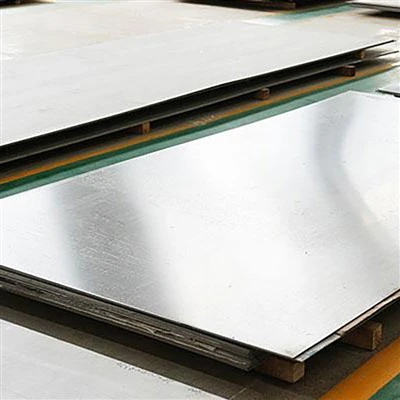
First off, what exactly are stainless steel profiles? Well, they’re basically shaped pieces of stainless steel that come in different forms like bars, tubes, angles, and channels. These profiles are used in a wide range of industries, from construction to automotive, and even in our daily lives, like in kitchen appliances.
Now, onto the main event: the different grades of stainless steel profiles. The grade of stainless steel is determined by its chemical composition, and each grade has unique properties and uses.
Let’s start with the most common grade, 304 stainless steel. This is like the all – around superstar of stainless steel profiles. It contains around 18% chromium and 8% nickel. The chromium gives it that corrosion – resistant property, which means it can hold up well against rust and stains, even in moderately harsh environments. Nickel, on the other hand, enhances its formability and toughness.
I’ve seen 304 stainless steel profiles used in so many projects. In the construction industry, they’re often used for handrails, as they’re strong enough to support weight and look great with their shiny finish. In the food and beverage industry, 304 is a go – to because it’s easy to clean and doesn’t react with food. Like in a kitchen, you might find 304 stainless steel countertops that are both durable and hygienic.
Next up is 316 stainless steel. This grade is a step up from 304 in terms of corrosion resistance. It contains a bit more nickel than 304, usually around 10 – 14%, and also has 2 – 3% molybdenum. The molybdenum is the secret weapon here. It makes the steel much more resistant to pitting and crevice corrosion, especially in chloride – rich environments like near the ocean or in chemical plants.
For marine applications, 316 stainless steel profiles are a must. I remember a project where a client was building a dock. They needed profiles that could withstand the constant exposure to saltwater. 316 was the perfect choice. It held up great over time, with no signs of rust or corrosion. In medical equipment, 316 is also popular because it can be sterilized easily and has excellent corrosion resistance, which is crucial for maintaining a clean and safe environment.
Then there’s 430 stainless steel. It’s a ferritic stainless steel, which means it has a different crystal structure compared to the austenitic 304 and 316. 430 contains around 16 – 18% chromium but no nickel. This makes it less expensive than the 300 – series grades.
The main drawback of 430 is its lower corrosion resistance compared to 304 and 316. It’s more prone to rust in wet conditions, especially if there’s salt or other corrosive substances around. However, it still has its uses. For example, in some interior design projects where the steel won’t be exposed to harsh weather or chemicals, 430 can be a cost – effective option. I’ve supplied 430 profiles for decorative purposes, like in furniture or architectural accents, where the look is important but the need for high – end corrosion resistance isn’t as critical.
Another grade that’s worth mentioning is 201 stainless steel. It’s a nitrogen – strengthened austenitic stainless steel. 201 contains less nickel compared to 304, which makes it a more affordable alternative. But this also means it has lower corrosion resistance, especially in acidic or chloride – containing environments.
201 stainless steel profiles are often used in the manufacturing of everyday products like kitchen utensils and some low – cost construction parts. However, if you’re using it in an environment where it will be exposed to corrosive substances for a long time, you might want to think twice. For instance, I had a customer who initially planned to use 201 for an outdoor railing. After explaining the potential corrosion issues, they decided to go with 304 instead to ensure long – term durability.
Now, let’s talk about how these differences in grades impact your choice. If you’re working on a project that requires high – end corrosion resistance, like in a pharmaceutical plant or a coastal building, going for 316 stainless steel profiles is a no – brainer. You might pay a bit more upfront, but it will save you a lot of money and headaches in the long run.
On the other hand, if you’re on a tight budget and your project is indoors and away from corrosive substances, 430 or 201 could be suitable options. You just need to be aware of their limitations and make sure they meet the requirements of your project.
As a supplier, I always make it a point to understand my customers’ needs before recommending a specific grade. That way, they get the best value for their money and the right product for their project.
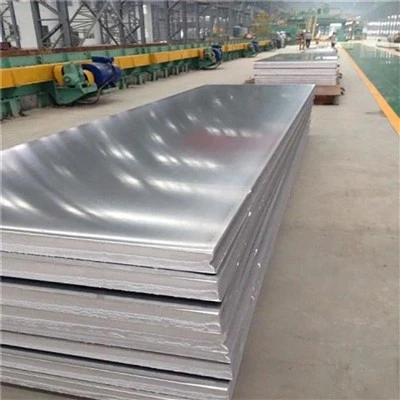
So, if you’re in the market for stainless steel profiles, whether it’s for a small DIY project or a large – scale industrial venture, don’t hesitate to reach out. We’ve got a wide range of grades and profiles to choose from, and I’m more than happy to help you make the right decision. You can come to us for all your stainless steel profile needs, and we’ll do our best to provide you with top – quality products at competitive prices. Just start a conversation with us, and let’s work together to get your project off the ground.
Carbon Steel Sheet/Plate References:
- “Stainless Steel Handbook”
- Industry reports on stainless steel applications and properties.
Wuxi Jin Ming Jian De Industry & Trade Co., Ltd.
Wuxi Jin Ming Jian De Industry & Trade Co., Ltd. is one of the most professional stainless steel profile manufacturers and suppliers in China, also supports customized service. With abundant experience, we warmly welcome you to wholesale CE approved stainless steel profile in stock here from our factory. If you have any enquiry about quotation, please feel free to email us.
Address: 2102-2105, Yuexing Building, Guangnan Road, Liangxi District, Wuxi City, Jiangsu Province, China.
E-mail: info@wxjmjdss.com
WebSite: https://www.jmjdsteelexp.com/
