When it comes to shipbuilding pipelines, the selection of appropriate valves is a critical decision that directly impacts the safety, efficiency, and durability of a vessel’s operations. As a PPR valve supplier, I often encounter the question: Can PPR valves be used in shipbuilding pipelines? In this in – depth exploration, I’ll provide insights based on the characteristics of PPR valves, the requirements of shipbuilding pipelines, and real – world considerations. PPR Valves
Understanding PPR Valves
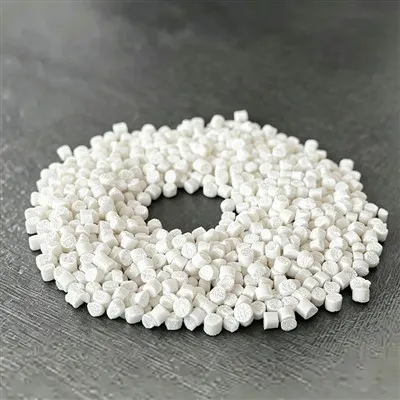
PPR, or polypropylene random copolymer, is a thermoplastic material known for its excellent properties. PPR valves are made from this material and offer several advantages. Firstly, they are highly corrosion – resistant. Unlike metal valves that can rust when exposed to water, especially saltwater, PPR valves do not corrode. This property is crucial as it extends the lifespan of the valve and reduces the frequency of maintenance and replacement.
Secondly, PPR valves are lightweight. In shipbuilding, weight is a significant concern. Every extra kilogram on a ship can increase fuel consumption and reduce overall efficiency. The lightweight nature of PPR valves helps in minimizing the weight of the piping system, which contributes to the ship’s better performance and fuel economy.
Thirdly, PPR valves have good thermal insulation properties. This is beneficial in maintaining the temperature of the fluids flowing through the pipelines. For example, in systems where hot water or other heated fluids are transported, the thermal insulation of PPR valves can prevent excessive heat loss, ensuring energy efficiency.
Shipbuilding Pipeline Requirements
Shipbuilding pipelines face a unique set of challenges and requirements. Ship pipelines must be able to withstand high pressure, as the fluid systems on ships often operate under significant pressure. For example, the seawater intake and discharge systems, the fire – fighting water systems, and the hydraulic systems all have specific pressure requirements. Additionally, these pipelines are constantly exposed to harsh marine environments, including saltwater, high humidity, and extreme temperatures.
Safety is another paramount requirement. A valve failure in a ship’s pipeline can lead to serious consequences, such as fluid leakage, system malfunctions, and even endanger the safety of the ship and its crew. Therefore, valves used in shipbuilding pipelines must have a high level of reliability and durability.
Analyzing the Suitability of PPR Valves for Shipbuilding Pipelines
Advantages of Using PPR Valves in Shipbuilding
In certain ship systems, PPR valves can be a suitable choice. For less – critical systems where the pressure is relatively low, such as domestic water supply systems on ships, PPR valves’ corrosion – resistance and lightweight properties make them a good option. The domestic water supply on a ship needs a reliable and long – lasting valve that won’t contaminate the water, and PPR valves meet these requirements well.
Their ease of installation is also an advantage. PPR valves can be welded or connected using fittings, which simplifies the installation process compared to some metal valves that may require complex welding or threading techniques. This can save time and labor costs during the shipbuilding process.
Limitations of PPR Valves in Shipbuilding
However, PPR valves also have limitations when it comes to shipbuilding pipelines. One of the main issues is their relatively low pressure – resistance compared to metal valves. High – pressure systems on ships, such as the main hydraulic systems or the high – pressure seawater injection systems, require valves that can withstand extreme pressures. PPR valves may not be able to handle these high – pressure conditions, and using them in such systems could lead to valve failure.
Another limitation is their relatively low heat – resistance. Although PPR valves have some thermal insulation properties, they can soften or deform at high temperatures. In ship systems where high – temperature fluids are involved, such as engine cooling water systems or steam systems, metal valves are generally a more reliable choice.
Real – World Applications and Case Studies
In recent years, some shipyards have started to experiment with PPR valves in non – critical ship pipelines. For example, in small – scale passenger ships and yachts, PPR valves have been used in domestic water and some low – pressure ventilation systems. These applications have shown that PPR valves can work well under appropriate conditions, providing reliable performance while reducing costs due to their lightweight and easy – to – install nature.
However, large – scale commercial ships, such as container ships, bulk carriers, and oil tankers, still predominantly use metal valves in most of their pipeline systems. This is mainly because these ships have more complex and high – performance requirements, and the reliability of metal valves is better proven in high – pressure and high – temperature environments.
Conclusion and Call to Action
In summary, PPR valves can be used in certain shipbuilding pipelines, especially in non – critical, low – pressure, and low – temperature systems. Their corrosion – resistance, lightweight, and ease of installation make them an attractive option for these applications. However, for high – pressure and high – temperature systems, metal valves are still the preferred choice.

As a PPR valve supplier, we offer a wide range of high – quality PPR valves that are suitable for various shipbuilding applications within their capabilities. If you are involved in shipbuilding or related industries and are considering using PPR valves in your pipeline projects, I encourage you to reach out for detailed discussions. We can provide expert advice on valve selection, installation, and maintenance based on your specific requirements.
PPR Pipe Let’s work together to find the best valve solutions for your shipbuilding pipelines and ensure the safety and efficiency of your vessels.
References
- ASME Boiler and Pressure Vessel Code, which provides standards for pressure – handling components in various industries, including shipbuilding.
- “Marine Piping Systems Handbook”. This handbook contains comprehensive information about the requirements and components of shipbuilding pipelines.
- Research papers on the application of thermoplastic materials in marine environments, which discuss the performance of PPR and similar materials under marine conditions.
Hebei Ruijie Pipe Industry Co., Ltd.
Address: Industrial Park, Shaozhuang Township, Suning County, Cangzhou City, Hebei Province
E-mail: 1987870474@qq.com
WebSite: https://www.rjpprpipe.com/
