Creating a cutting map is a complex and intricate process that involves a multitude of challenges, especially when aiming to provide high – quality solutions for clients. As a supplier of cutting maps, I navigate through these hurdles on a regular basis to ensure that our customers receive accurate, efficient, and cost – effective cutting maps tailored to their specific needs. Cutting Map

1. Design Precision and Accuracy
One of the primary challenges in creating a cutting map is achieving the highest level of precision and accuracy. Each cutting map is a detailed blueprint that guides the cutting process, whether it’s for textiles, metals, plastics, or other materials. Even the slightest error in the design can lead to significant issues during production. For instance, if a cutting map for a clothing manufacturer has a measurement off by a few millimeters, it could result in garments that don’t fit properly, leading to wasted materials and production delays.
To overcome this challenge, we utilize advanced CAD (Computer – Aided Design) software that allows us to create detailed, to – scale cutting maps. Our team of experienced designers undergoes continuous training to keep up with the latest design techniques and software updates. We also implement a rigorous quality control process, where multiple designers review each cutting map to double – check for accuracy before it is sent to the client. However, despite these measures, meeting the exacting precision requirements of some industries remains an ongoing battle.
2. Material Variability
Another significant challenge is dealing with the variability of materials. Different materials have different properties, such as thickness, texture, elasticity, and density. These properties can greatly affect how a material is cut and how the cutting map needs to be designed. For example, cutting through a thick, tough metal sheet requires a different approach than cutting a delicate silk fabric.
Metal materials may require different cutting speeds, tool pressures, and cutting techniques depending on their composition and hardness. Some metals are prone to warping during the cutting process, which means the cutting map needs to account for this and incorporate strategies to minimize distortion. On the other hand, flexible materials like rubber or fabric may stretch or move during cutting, necessitating the use of specialized guide systems and adjustments in the cutting path.
To address material variability, we invest in extensive material testing. We conduct trials with different materials to understand their behavior under various cutting conditions. Based on these test results, we can make the necessary adjustments to the cutting map, such as changing the cutting sequence, tool selection, or speed settings. However, new materials are constantly being developed, and staying ahead of these changes requires continuous research and experimentation.
3. Production Efficiency and Cost – Effectiveness
Balancing production efficiency and cost – effectiveness is a delicate tightrope walk in creating cutting maps. Clients naturally expect fast turnaround times and low production costs, while also demanding high – quality cutting results. The design of the cutting map plays a crucial role in achieving these goals.
A well – designed cutting map can optimize the use of materials, reducing waste and saving costs. For example, by arranging the cutting patterns in a way that maximizes the use of the available material sheet, we can significantly reduce the amount of scrap material. This requires complex algorithms and layout strategies to ensure that the cutting patterns fit together as efficiently as possible. However, finding the most efficient layout can be time – consuming, especially when dealing with irregular – shaped cutting patterns or multiple part designs.
In addition, we need to consider the cutting time. Using slower cutting speeds may result in a higher – quality cut, but it can also increase production time and cost. Conversely, increasing the cutting speed may save time but could compromise the quality of the cut. To optimize efficiency, we analyze the trade – offs between cutting speed, quality, and cost for each project. We work closely with our clients to understand their priorities and develop cutting maps that meet their specific requirements while maintaining a reasonable balance between cost and efficiency.
4. Compatibility with Cutting Equipment
The cutting map must be fully compatible with the client’s cutting equipment. Different cutting machines have different capabilities, such as the type of cutting tools they use (laser, waterjet, mechanical blade, etc.), the maximum cutting area, and the precision they can achieve. A cutting map that is designed for one type of machine may not work properly on another.
For example, a laser cutting machine can make very precise cuts with a narrow kerf (the width of the cut made by the cutting tool), while a waterjet cutter can handle thicker and more rugged materials but may have a wider kerf. If the cutting map is not designed to take these differences into account, it can lead to poor cutting results, such as rough edges, inaccurate dimensions, or even damage to the cutting equipment.
To ensure compatibility, we need to have in – depth knowledge of a wide range of cutting machines. We work closely with our clients to understand the specifications of their equipment and then customize the cutting map accordingly. This may involve adjusting the cutting path, tool selection, or speed settings to match the capabilities of the machine. However, as new cutting technologies are constantly emerging, keeping up with the latest equipment specifications and capabilities is a continuous challenge.
5. Communication and Collaboration
Effective communication and collaboration with clients are essential in creating a successful cutting map. Clients may have specific requirements and expectations that need to be clearly understood and incorporated into the design. For example, they may have branding requirements, such as logos or specific markings that need to be included on the cut parts. Or they may have assembly requirements that affect the way the cutting map is designed.
However, communication can sometimes break down, leading to misunderstandings and delays. Clients may not be fully aware of the technical limitations of the cutting process, and we may not fully understand their exact needs. To overcome these challenges, we have established a comprehensive communication process. We schedule regular meetings with clients to discuss their project requirements in detail. We also use visual aids, such as 3D renderings of the cutting map, to help clients better understand the design and provide feedback. Additionally, we maintain an open line of communication throughout the project, so that any changes or issues can be addressed promptly.
6. Regulatory and Compliance Requirements
In many industries, there are strict regulatory and compliance requirements that the cutting maps must adhere to. For example, in the aerospace and automotive industries, parts must meet specific safety and quality standards. Cutting maps need to be designed in a way that ensures these standards are met throughout the cutting process.
Regulatory requirements can include things like material traceability, quality control procedures, and environmental regulations. For instance, some materials may require special handling or disposal procedures due to their toxicity or environmental impact. We need to ensure that our cutting maps account for these requirements and that the cutting process is carried out in a compliant manner. Staying up – to – date with the ever – changing regulatory landscape is a significant challenge, as non – compliance can result in costly fines and damage to our reputation.
7. Intellectual Property Protection
As a cutting map supplier, we handle a lot of sensitive and proprietary information from our clients. Protecting this intellectual property is of utmost importance. Cutting maps often contain unique designs, patterns, and specifications that are the intellectual property of the client.
We have implemented strict security measures to safeguard this information. This includes secure file storage systems, encrypted communication channels, and non – disclosure agreements with our employees. However, the threat of cyber – attacks and data breaches is constantly evolving, and we need to continuously update and improve our security measures to ensure the protection of our clients’ intellectual property.
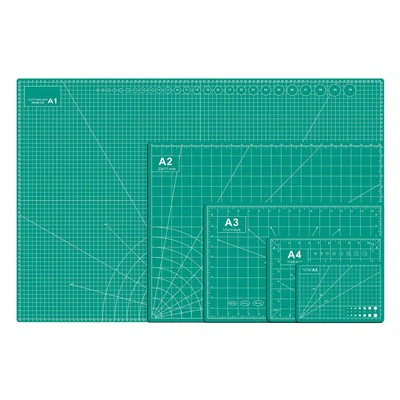
In conclusion, creating a cutting map is a challenging but rewarding process. By understanding and addressing these challenges, we can provide high – quality cutting maps that meet the diverse needs of our clients. If you are in need of cutting map services and are facing similar challenges with your projects, we are here to help. Our experienced team can work with you to develop customized cutting maps that optimize your production process, reduce costs, and ensure high – quality results. Contact us to discuss your specific requirements and start a partnership that will drive your business forward.
Cutting Mat Pad References:
- Smith, J. (2018). Advanced CAD Design Techniques for Cutting Maps. Industrial Design Journal.
- Johnson, A. (2019). Material Science and Cutting Map Optimization. Materials Research Quarterly.
- Brown, C. (2020). Regulatory Compliance in Cutting Processes. Manufacturing Compliance Review.
Dongguan Tensoa Technology Co., Ltd.
Address: Room 201, Building 2, No. 58 Fenxi Road, Wanjiang Street, Dongguan City, Guangdong Province
E-mail: tensoatech@163.com
WebSite: https://www.tensoatech.com/
