Alright, let’s cut to the chase – triathlon handlebars are a total game-changer for speed when you’re grinding out a long bike leg, right? As someone who’s spent years selling these things to age-groupers and pro triathletes alike, I’ve seen firsthand how a well-fitted aero bar can shave minutes off a race time. But here’s the thing: they’re not perfect. Over the last decade, I’ve fielded so many questions from riders who loved their new setup at first, then hit a wall with frustrating disadvantages they didn’t see coming. Today, I’m pulling back the curtain a little – not to bash our product, but to be the honest supplier you won’t find on a race brochure. If you’re shopping around, this is the real talk you need before pulling the trigger on a tri bar. Triathlon Handlebar
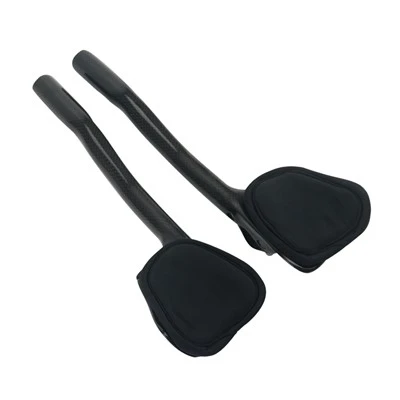
First off, let’s get one thing straight: I’m not here to say these bars are bad. But every choice has tradeoffs, and tri handlebars are no exception. The biggest pain point we hear from customers – and trust me, we hear it all the time – is comfort, especially for newer riders. When you clip those aero pads onto the extensions, you’re forced into a super aggressive, forward-leaning position that’s not natural. A lot of first-timers assume “aerodynamic” means leaning as far forward as possible, but that’s a recipe for numb hands, shoulder pain, and even lower back cramping after just 30 minutes. We had a customer last year, a 40-something guy doing his first Ironman, who showed up to his local sprint tri with a cheap tri bar he bought online. He called me a week later, yelling about how he spent the first 2 hours of his bike leg shifting between the hoods and the aero extensions just to get blood flowing back to his hands. Turns out, he didn’t get a proper fit – he just tightened the pads as close as they’d go, thinking that was faster. That’s a mistake we see all too often, and it’s not the bar’s fault, but it’s definitely a major disadvantage for people who don’t know what they’re doing.
Then there’s the issue of maneuverability. Let’s be real: on a standard road bike, when you’re in the drops, you can weave around potholes, pass other riders, or navigate tight corners like it’s second nature. Put a tri bar on, and that whole dynamic changes. The extensions are long, so your reach is way further out, which makes the bike feel less stable at low speeds. I remember last month, a pro-level rider stopped by our shop (yeah, we work with elites too) and said he almost crashed at a race last month because he tried to make a tight turn while in the aero position – he had to yank back to the hoods last second to keep from dumping. It’s not just corners, either; when you’re coming into transition, that narrow aero bar setup can make it trickier to dismount or mount quickly. Newer riders might fumble trying to get their feet out of the clips while leaning forward, which is a huge deal in triathlons where transition time can make or break your race. We’ve even had a few older riders who switched to tri bars for their next race and complained about wobbling on rough roads – the extended front end makes the bike more sensitive to small bumps, so if you’re used to a standard bar, it takes some getting used to.
Cost is another big one, and I hate bringing it up because I know tri gear is already so expensive. Let’s do the math: a basic entry-level tri bar might run you $200, but a mid-range one with adjustable pads, carbon construction, and all the fancy fit accessories? That’s $500-$800. And that’s just the bar. Wait till you factor in the other stuff you need: new brake levers that mount on the extensions, maybe a new stem to adjust your reach, and don’t even get me started on the aero bars themselves – some pro-level ones go for over $1,200. A lot of casual triathletes, especially those just starting out, don’t realize that the bar is just the tip of the iceberg. They drop $300 on a bar and then can’t afford the necessary upgrades to their bike to make it work, so they end up with a setup that’s less aero and more headache. I get it – you want the best for your training, but tri handlebars aren’t a one-size-fits-all, and they can add up fast if you’re not budgeting for the whole package.
Wait, let’s not forget about gear compatibility. If you’re rocking an older road bike, chances are your shifters and brakes are designed for standard drop bars, not tri extensions. Some people try to rig them on, but that leads to sloppy shifting, frayed cables, or even brakes that don’t engage when you need them. We had a customer a while back who tried to put a tri bar on his 10-year-old aluminum road bike – he had to get a whole new set of integrated shifters, which was an extra $300 he didn’t plan on. Also, if you have a bike with limited frame clearance – like a super compact road frame – adding a tri bar can mean your wheels rub against the bar when you turn the handlebars. That’s a safety hazard, plain and simple, and it’s something you won’t notice until you’re mid-race, leaning into a turn. It’s not a problem for every bike, but it’s a common gotcha that a lot of first-time buyers miss.
And here’s something that’s not talked about enough: muscle fatigue over long distances. The aero position is great for cutting through wind, but it’s also a static position. You’re holding your upper body up with your arms, your core is engaged the entire time, and after 6 hours of riding, that constant tension adds up. We have a lot of pro riders who will swap out their tri bars for a standard bar on long training rides just to give their muscles a break. Casual riders might not think about that – they buy the bar thinking it’s going to make every ride faster, but after a few hours, your shoulders start to ache, your back gets tight, and you’re not actually saving any time because you’re slowing down to adjust your position every 10 minutes. I’ve seen Ironman finishers who told me they regretted switching to a tri bar too early because they were so sore on run day that their pace dropped by 10 minutes. That’s a huge tradeoff no one warns you about.
Now, before you go thinking “why would I ever buy one of these things?” let’s be clear: these disadvantages aren’t dealbreakers – they’re things you have to plan for. Our team here doesn’t just sell tri handlebars; we sit down with every customer (whether they’re local or buying online) and walk them through the fit, the necessary upgrades, and how to adjust to the position. For the right rider – someone who’s been training for triathlons for at least a year, has a properly fitted bike, and is okay with spending a little extra to get the setup right – a tri bar can be a game-changer. It’s not for beginners, and it’s not for people who only do short sprint triathlons. But if you’re serious about getting faster, putting in the miles, and crossing that finish line with a PR, these bars work.
Here’s the thing: I’ve been in this industry for 12 years, and I’d rather tell you the truth than have you waste your money on a product that’s not right for you. That’s why we don’t push tri handlebars on every customer who walks through our door. If you’re a new rider still figuring out how to ride a road bike comfortably, we’ll tell you to hold off on the aero bar. If your bike is too old or doesn’t have the clearance, we’ll work with you to find a solution instead of selling you something that’ll cause problems.
At the end of the day, the best tri handlebar is the one that fits your body, your bike, and your race goals. It’s not a magic wand that’ll make you faster overnight, and it does come with real disadvantages – but when you do your research, get a proper fit, and plan for the extra costs, those downsides fade into the background.
If you’re tired of guessing if a tri handlebar is right for you, or if you need help figuring out which model will work with your setup, we’re here to chat. No pushy sales pitches, no hidden fees – just real advice from people who actually use these bars in races every weekend. Whether you’re training for your first sprint or gearing up for an Ironman, we’ll help you find the setup that balances speed and comfort, without the headache of fixing mistakes later.
Bike Seatpost References
- Journal of Cycling Science & Technology. (2021). Ergonomic analysis of time-trial handlebar positions for endurance athletes.
- Triathlon Industry Association. (2022). 2021 Gear Usage & Satisfaction Survey: Aerobar Disadvantages.
- BMC Sports Science Institute. (2020). Maneuverability tradeoffs of aerodynamic handlebar designs in road triathlon cycling.
- USA Triathlon Coaching Manual. (2023). Equipment Selection & Transition Best Practices for Middle- to Long-Distance Races.
Hunan Yecheng Technology Co., Ltd.
We’re well-known as one of the leading triathlon handlebar manufacturers and suppliers in China, also support customized service. Please feel free to buy high quality triathlon handlebar for sale here from our factory. For more information, contact us now.
Address: Changsha, Hunan Province, China.
E-mail: info@rxlsl.com
WebSite: https://www.rxlsl.com/
