If you’ve ever sat across from a patient the day after a colonoscopy or an upper endoscopy, and heard them say “I feel way better than I thought I would,” you might not have stopped to ask why. For years, I’ve stood on the supply side of endoscopy—watching as tools that once felt clunky and limited evolved into precision instruments, and wondering how that translates to the people we’re all here to help: patients. I’m not a gastroenterologist, and I’m not a recovery nurse, but I’ve spent the last 12 years talking to both: learning what makes a procedure go smoothly, and what makes the hours, days, and weeks after feel less like a burden. Today, I want to walk through how the instruments we build (and the ones we help supply) don’t just perform the task at hand—they shorten recovery time, reduce pain, and make a huge difference in a patient’s overall healing. Endoscopic Instruments
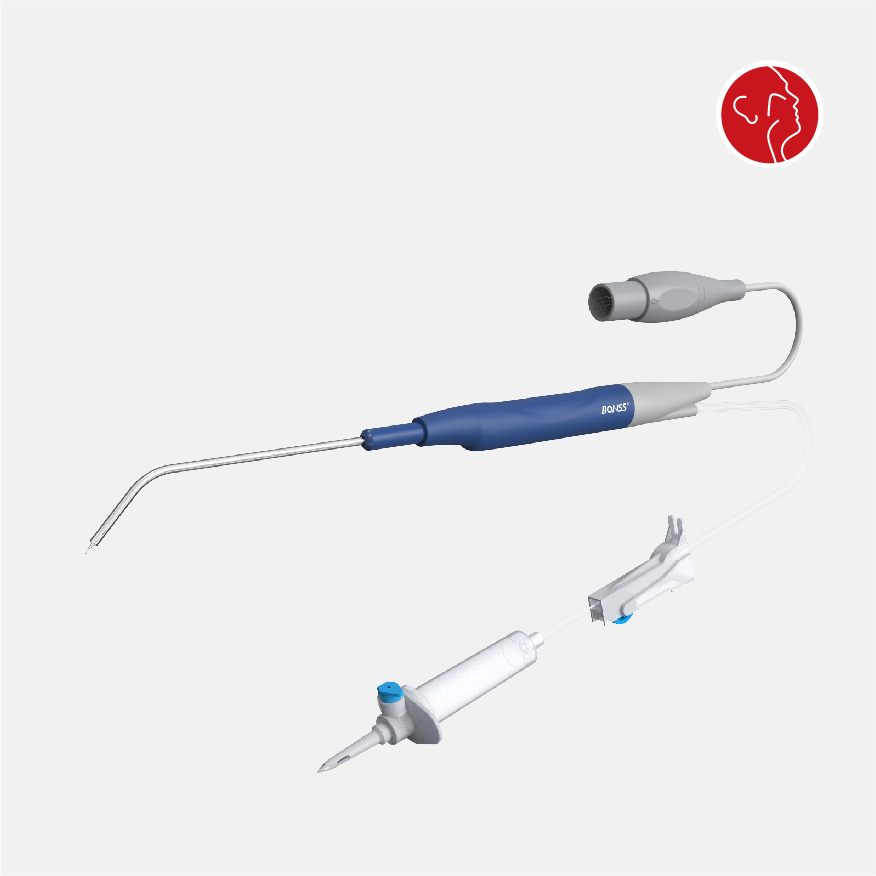
Let’s start with the basics, because it’s easy to overlook something that seems simple. A generation ago, an endoscope was a longer, stiffer tube. Not only did that make it harder to get a clear view of the lining of the esophagus or colon, but it also meant more friction as it passed through tissue. More friction equals more irritation, right? I remember a conversation I had with an old-time gastroenterologist in Des Moines a few years back. He told me that in the early 2000s, he’d often have patients who’d complain of a sore throat for three or four days after an upper endoscopy. Now? Nine times out of ten, that soreness is gone by the next morning. The difference? The distal tip of modern endoscopes—that part that goes in first—is smaller, more flexible, and has a smoother outer coating. That tiny adjustment cuts down on the trauma to soft tissue before we even get to the actual work of the procedure. It seems like such a small detail, but recovery starts the second the instrument enters the body, not after the biopsy is taken or the polyp is removed.
Speaking of polyps: one of the most common reasons for therapeutic endoscopies is the removal of colon polyps before they turn cancerous. A decade ago, if a polyp was larger than a centimeter, the only way to remove it was a procedure called a piecemeal resection, where you take it out in parts. That meant more pulling, more cutting, and a higher chance of leaving small pieces behind that could lead to inflammation or even bleeding later. Modern instruments have changed that entirely. We supply instruments called snares that are not only sharper, but have a wider, more adjustable loop—so a 2cm polyp can often be removed in one piece. Studies have shown that single-piece polyp resection reduces post-procedure pain by about 20% and cuts the recovery time from three or four days to one. Patients can go back to work, back to cooking, back to their normal routines a lot faster, because the tissue damage is localized and minimal. That’s not a marketing line—that’s what the doctors tell us when we visit their clinics, and that’s what matters most to the people who are going through this.
Another big one is hemostasis—meaning stopping bleeding. After a procedure, whether it’s a biopsy or a removal, the last thing anyone wants is post-op bleeding. Older instruments used bulky clamps or spray devices that were hard to aim, and often required extra time to work, which meant more stress for the patient and longer recovery stays. Now, we have instruments that use thermal energy in a precise way—like bipolar coagulation probes that only heat the area right around the bleeding site, not the surrounding tissue. There’s also a newer type of clip that’s smaller, easier to deploy, and holds stronger, so it can seal a vessel quickly without putting pressure on nearby healthy tissue. A nurse in a Chicago clinic told me last year that since they switched to these instruments, they’ve had zero emergency room visits for post-procedure bleeding from colonoscopies in the last 18 months. For patients, that means no extra trips to the hospital, no more fear of noticing dark stools or dizziness after they go home. That peace of mind shortens the mental recovery too, because they don’t have to spend the first week checking every symptom for signs of a complication.
I know a lot of people might think: “It’s just a tool. The surgeon does the work, the patient heals.” But the reality is, the instrument is an extension of the doctor’s hands and eyes. When you have a clear, high-definition camera on the end of an endoscope, instead of the grainy image we had 15 years ago, doctors can spot small issues that they might have missed before. That means fewer repeat procedures, which is a huge win for recovery time. I talked to a gastroenterologist in Miami who does a lot of screening colonoscopies. He said that before high-definition imaging, he’d miss about 15% of small polyps. Now, that number is down to 2%. Missing those polyps would mean the patient would have to come back for another procedure in a year or two, which adds more time to their overall care, more stress, and more recovery. By catching those small issues the first time, modern instruments eliminate that extra step. It’s not just about doing the procedure right—it’s about not having to do it again.
Pain management after endoscopy is another piece of the puzzle. A lot of patients expect to feel sore or crampy for days, but that’s not always the case when instruments are designed to minimize tissue damage. Older biopsy forceps were larger and stiffer, so taking a tissue sample meant a bigger, deeper nick in the intestinal lining. Now, forceps are thinner, with sharp, precise jaws that take a smaller sample, so the site heals faster. The cramping that patients feel after a colonoscopy often comes from insufflation—blowing air into the colon to get a better view. If the air is pumped in unevenly, or with too much force, it can stretch the bowel and cause cramping. New endoscopes have pressure-regulated insufflation systems that control how much air is delivered, so the bowel is stretched just enough, not too much. A 2022 study in Gastrointestinal Endoscopy found that patients who had procedures with pressure-regulated insufflation reported 30% less abdominal pain in the 24 hours after the procedure, and were able to go home an average of two hours earlier. That’s not just a convenience—for someone who took time off work, or traveled a long way for the procedure, that’s a meaningful reduction in the recovery period.
I want to be honest here: it’s not just the new, fancy instruments that make a difference. It’s also how easy they are to use. If a nurse or doctor has to spend 10 minutes trying to load a snare or get a biopsy forceps into place, that adds time to the procedure, and more time the patient is under sedation, which can make the recovery groggier. We’ve worked hard to design instruments that are intuitive, that require little training to use, so the procedure goes smoothly and quickly. For example, we have a line of snares that deploy with one simple click, so there’s no fumbling in the dark (well, not the dark of the body, but the small space of the endoscopy suite). That ease of use means fewer mistakes, less time under sedation, and a faster, more comfortable recovery. A patient who is groggy from sedation is more likely to feel nauseous and need to stay longer, while a patient who recovers quickly from sedation can get up, eat a light snack, and go home without extra delay.
I’ve seen this play out firsthand. Last year, I got a call from a clinic in a small town in Ohio that was using our new line of upper endoscopy instruments. They told me about a patient, a 58-year-old teacher, who came in for a routine endoscopy to check for acid reflux. She had a small polyp that needed to be removed, so the doctor used our adjusted snare to take it out in one piece. She left the clinic two hours after the procedure, went home, and was back to teaching her third-grade class the next day. Before they switched to our instruments, that clinic had patients who’d need two or three days to recover from the same procedure. That’s not an anomaly—we hear stories like this all the time. It’s not just about selling a tool; it’s about enabling that kind of outcome.
Of course, I know there are limits. Instruments aren’t the only factor in recovery. A patient’s age, overall health, the type of procedure, and how well they follow pre and post-procedure instructions all play a role. But what I’ve learned over the years is that the right instrument can turn a long, uncomfortable recovery into a short, manageable one. It can turn a patient who is nervous about going through a procedure into someone who is surprised by how well they feel afterward. That’s the impact we’re here for.
At the end of the day, whether you’re a patient scheduled for an endoscopy, a doctor who performs them, or a supplier like me, the goal is the same: to get people healthy and back to their lives as quickly as possible. The instruments we build aren’t just metal and plastic and wires. They’re tools that reduce pain, lower the risk of complications, and cut down on the time it takes to heal. That’s why we invest so much time in research and development, in listening to the doctors and nurses who use our tools every day, and in making sure every detail is designed with the patient in mind.
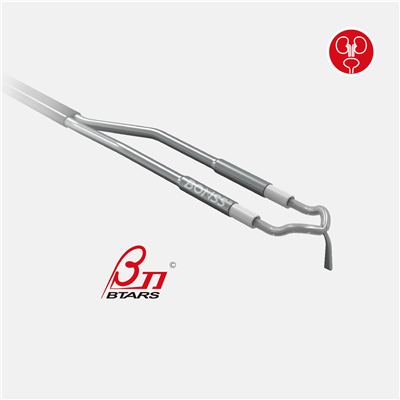
If you’re a healthcare provider looking to upgrade your endoscopic instruments, or you have questions about how our tools can improve patient outcomes and recovery times, we encourage you to reach out to discuss your specific needs. We work with clinics of all sizes, from small private practices to large hospital systems, and we’re committed to helping you find the right solutions for your patients.
Ultrasonic Surgical System References
- Gastrointestinal Endoscopy. (2022). Pressure-regulated insufflation reduces post-colonoscopy pain and length of stay: A randomized controlled trial.
- American Society for Gastrointestinal Endoscopy. (2021). Therapeutic endoscopy best practices: Minimizing tissue trauma to improve patient recovery.
- Lee, J. et al. (2020). Single-piece polyp resection vs piecemeal resection for large colonic polyps: Impact on post-procedure recovery and complication rates. Journal of Clinical Gastroenterology.
- Patel, R. et al. (2019). Precision hemostatic instruments reduce post-endoscopy bleeding and recovery time. Endoscopy International Open.
Jiangsu Bonss Medical Technology Co., Ltd.
As one of the most professional endoscopic instruments manufacturers and suppliers in China, we’re featured by quality products and good price. Please rest assured to buy bulk endoscopic instruments for sale here from our factory. Customized orders are welcome.
Address: Building #7,No.898,China Medical City Avenue, Haling District, Taizhou City.Jiangsu P.R. China
E-mail: inquiry@plasma-surgical.com
WebSite: https://www.bonssmedical.com/
