Hey there! I’m a supplier of die – cut products for device – to – human body adhesion. Today, I wanna chat about the aesthetic requirements for these products. It’s not just about how well they stick; looks matter too! Die-cut Products for Device-to-Human Body Adhesion

Let’s start with the basics. When it comes to die – cut products for device – to – human body adhesion, the color is a big deal. People don’t wanna wear something that stands out like a sore thumb. For medical devices, for example, neutral colors like white, light blue, or gray are often preferred. They give a clean and professional look, which is important in a medical setting. A white die – cut patch on a patient’s arm looks much more reassuring than a bright neon one, right?
In the consumer electronics space, it’s a bit different. The color can be more vibrant and match the device’s overall color scheme. If you have a cool, trendy smartwatch, you’d want the adhesive parts to blend in nicely. Maybe a black or silver die – cut for a sleek, high – tech look. Or if it’s a fun, colorful fitness tracker, you can have die – cuts in bright colors like pink or green to add a bit of personality.
Shape is another crucial aesthetic factor. Simple and smooth shapes are generally preferred. Round or oval die – cuts are very popular because they are gentle on the skin and have a natural, flowing look. They also mimic thecurves of the human body, making them more comfortable to wear. Sharp edges or irregular shapes can not only look unappealing but also cause discomfort or even skin irritation.
Take the example of a wearables device. If the adhesion part has a sharp – edged, angular shape, it might dig into the skin or just look out of place. On the other hand, a nicely rounded patch will follow the contour of the wrist or the body part where it’s attached, looking and feeling great.
Size also plays a role in aesthetics. You don’t want a die – cut that’s too large and overpowers the device or the body area it’s on. And it definitely shouldn’t be so small that it looks like it’s all alone and not doing its job properly. The size should be proportional to the device and the area of application.
For instance, for a small earbud that attaches to the ear, the die – cut adhesive should be small and discreet. It should be just big enough to hold the earbud in place without making the earbud look too bulky or the ear look funny. In contrast, for a larger medical monitor that goes on the chest, the die – cut can be a bit bigger, but still, it needs to be within reason so that it doesn’t look like a big, ugly patch on the body.
Texture is something that’s often overlooked but can make a huge difference in how a die – cut product looks and feels. A smooth texture is usually the way to go. It gives a modern and clean look. A rough or bumpy texture might look unprofessional and can also be off – putting to the touch.
You know, when you pick up a device with a die – cut adhesive, you expect it to feel nice. A smooth texture provides that sense of quality. However, there are some cases where a slightly textured surface can be used for a specific purpose, like a grip. But it still has to be done in a way that doesn’t sacrifice the overall aesthetic.
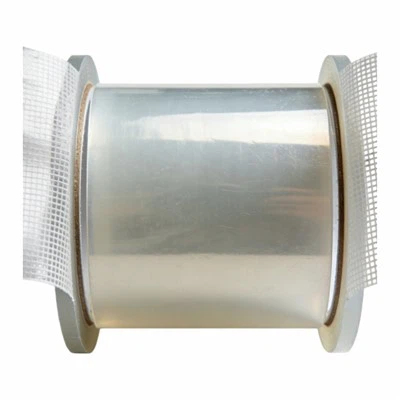
Transparency is an interesting aesthetic requirement. For some applications, a transparent or semi – transparent die – cut is ideal. It allows the user to see the device or the body part underneath, which can be a great look. For example, in some skin – monitoring devices, a transparent die – cut allows the user to see the skin area being monitored. It gives a sense of openness and high – tech sophistication.
But for other products, a non – transparent die – cut might be better. It can hide any underlying wires or components that might not look so nice. So, whether to go with transparent or non – transparent really depends on the device and the user’s expectations.
Let’s talk about branding and labeling on die – cut products. If your die – cut is going to have a logo or some text on it, it needs to be done tastefully. The logo should be clear and not too big. It should blend in with the overall design of the die – cut and the device. A huge, flashy logo that takes up half of the die – cut can be a real eyesore.
Also, the font and color of the text or logo should match the aesthetic of the product. For a high – end medical device, a sleek, modern font in a simple color like black or silver might be appropriate. For a more fun consumer product, a bold, colorful font could be used.
Another important aspect is the finish of the die – cut. A glossy finish can give a shiny, high – end look, but it can also be prone to fingerprints and scratches. A matte finish, on the other hand, is more subtle and can hide imperfections better. It gives a more professional and understated look, which is great for products that need to look clean and professional, like many medical or industrial devices.
Now, you might be wondering how all these aesthetic requirements fit in with the functionality of the die – cut products. Well, the good news is that you can have both. At our company, we’ve spent a lot of time and effort in R & D to ensure that our die – cut products not only meet the highest aesthetic standards but also perform incredibly well.
We use the latest materials and manufacturing techniques to create die – cuts that are beautiful and functional. For example, we’ve developed new adhesives that are strong enough to hold the device firmly to the body but still allow the die – cut to be removed easily without leaving any residue. And these adhesives work just as well on different textures and colors of die – cut materials.
In addition, we understand that different customers have different aesthetic needs. Whether you’re a medical device manufacturer looking for a simple and professional look or a consumer electronics brand wanting a trendy and colorful design, we can customize our products to meet your specific requirements.
We’ve worked with some amazing clients over the years, and we’ve seen firsthand how a well – designed die – cut can enhance the overall appeal of a device. It’s not just about making something look good; it’s about creating a product that the end – user will love.
So, if you’re in the market for die – cut products for device – to – human body adhesion and you care about aesthetics as much as functionality, we’d love to have a chat with you. We can work together to come up with the perfect solution for your product. Whether it’s a small – scale project or a large – scale production run, we’re ready to take on the challenge.
Reach out to us for a consultation. We’re more than happy to answer any questions you might have and show you some of our previous work. Let’s create something beautiful and functional together!
Medical Adhesive References:
- "Materials Science for Medical Devices", various authors.
- "Design Principles for Wearable Electronics", Smith, John.
- "Consumer Aesthetics in Product Design", Davis, Emily.
Shenzhen Omori Biological Technology Co., Ltd.
We’re well-known as one of the leading die-cut products for device-to-human body adhesion manufacturers and suppliers in China. We warmly welcome you to wholesale high quality die-cut products for device-to-human body adhesion made in China here from our factory. If you have any enquiry about customized service, please feel free to email us.
Address: Floor4, No43, Langkou Industrial park, Dalang Street, Longhua District, Shenzhen City, Guangdong Province, China
E-mail: wya@omorimed.com
WebSite: https://www.omorimed.com/
