If you’ve ever shopped for furniture, you’ve probably spent more time testing sofas, checking the sturdiness of dining sets, or debating between fabric and leather finishes than digging into fine print. But when it comes to “other furniture facilities” — the often-overlooked pieces that hold a space together beyond the big-ticket items like couches and beds — warranty questions tend to fly under the radar. As a supplier who’s worked directly with small business owners, interior designers, and residential customers for the past seven years, I get it. Most people assume all furniture comes with some level of coverage, but the reality for the “other” category is a lot more nuanced, and it’s a difference that can save you thousands of dollars in repairs or replacements down the line. Let me break this down without the jargon, because when it comes to your business or home, clarity matters most. Other Furniture Facilities

First, let’s define what we mean by “other furniture facilities,” because that term covers a lot of ground people don’t always categorize. For commercial spaces, that includes things like metal storage cabinets for break rooms, modular office partition desks, waiting room side tables, utility carts for hotel housekeeping, and rolling shelves for stock rooms. For residential customers, it’s the things you pick up to fill gaps: under-bed storage drawers, bathroom linen towers, entryway shoe organizers, closet modular systems, and small kitchen island carts that don’t come with a standard cabinet set. These aren’t the flashy pieces people show off when guests arrive, which is exactly why their warranty terms are so easy to miss — until one breaks after six months of heavy use, and you’re stuck footing the bill.
When I first started in this business, I learned the hard way how inconsistent warranties can be across this category. Early on, I worked with a local café owner who bought 12 of our metal side tables for their outdoor patio. They thought all furniture came with a one-year warranty, so when the welds on three tables cracked after eight months from weekly rain and sun exposure, they were shocked to find out the standard warranty for that line only covered manufacturing defects for 90 days. That mistake taught me two things: customers don’t inherently know that “other furniture facilities” are often held to different warranty standards than, say, a bedroom set, and as a supplier, it’s my job to spell that out clearly before anyone makes a purchase.
So, do other furniture facilities come with a warranty? The short answer is: yes, but it depends on three big factors: the type of facility, how it’s used, and who you buy it from. Let’s get specific, because vague answers don’t help anyone.
First, product type is the biggest variable. For commercial-grade other furniture facilities — the heavy-duty stuff built for daily, high-volume use — warranties are much more robust than consumer-grade residential pieces. For example, our commercial line of steel storage cabinets, which we build with 16-gauge steel and reinforced corner joints, comes with a five-year warranty against manufacturing defects. That means if a door hinge falls off on its own, or a weld breaks without any accidental damage, we fix or replace it for free. The same goes for our utility carts, which are rated for 500-pound loads; their two-year warranty covers the wheel mechanisms and handle hardware, parts that take the brunt of daily use in hospitals, hotels, and warehouses.
On the residential side, the warranty terms are a bit different, and that’s usually tied to cost and intended use. Our standard line of under-bed storage drawers, made from medium-density fiberboard (MDF) with a laminate finish, comes with a one-year limited warranty. This covers defects like peeling laminate or broken drawer slides, but it doesn’t cover wear and tear from overloading (we’ve all stuffed way too much into a storage bin) or damage from moving it around too often. Our higher-end residential line of custom closet modular systems, built with solid pine and adjustable hardware, comes with a three-year warranty that covers all parts, including the adjustable rails and hanging rods, because those are parts that get adjusted regularly and need to hold up over time.
One of the most common misconceptions I encounter is that “limited warranty” means the warranty is weak, but that’s not always the case. For example, when we sell modular office partition desks — a popular other furniture facility for small businesses that need flexible workspaces — our 10-year limited warranty covers the frame, and the parts like the tabletop and storage drawers have a two-year separate warranty. This is because the frame is built to last, and the other parts can be swapped out if they get damaged, which is more cost-effective for both the customer and us. The key here is to read the fine print, but not to panic about the word “limited.” It just means the warranty covers specific, manufacturer-related issues, not accidental damage or misuse.
That leads to the second big factor: how the furniture facility is used. Warranties only cover defects that are present when the product leaves the factory, not damage caused by how someone uses it. I’ll give you another example from a customer story: a school district bought 24 of our waiting room side tables (part of our commercial other furniture line) last year. The custodial staff started using them as temporary step stools to change lightbulbs in the high ceilings above the waiting room. Within three months, three tables had broken legs, because they were never designed to hold the weight of an adult standing on them. We tried to honor the warranty, but the fine print clearly states that warranties don’t cover damage from improper use, so we couldn’t. That’s not a loophole; it’s a standard across the furniture industry, and it’s something every customer should know before they assume a warranty will cover every possible issue.
The third factor is who you buy it from. Not all furniture suppliers build their own products, and the ones that source from overseas or cut corners on materials often have little to no warranty support. Early in my career, I worked for a company that imported cheap residential storage organizers from a third-party supplier out of China, and when products broke, we’d get ghosted by the supplier, so we had to offer our own limited 30-day warranty just to keep customers happy. That’s not the case with our business. We design, engineer, and build all of our other furniture facilities in facilities right here in the U.S., so we control every step of the production process. That means if a customer has an issue with a product, they can call our team directly, not a call center halfway across the world, and we can usually resolve it in a matter of days, not weeks. We also stand behind our warranty because we test every batch of products before they ship — for example, our closet systems go through 10,000 adjustments of the hanging rails to make sure they don’t wear out, and our metal cabinets go through 500 opening and closing cycles for the doors. That testing is why our warranty terms are better than the industry average, and it’s why we’ve kept 80% of our customers as repeat buyers over the past seven years.
Now, let’s talk about the fine print, because that’s where a lot of customers get tripped up. When we send a warranty with our other furniture facilities, we always outline exactly what is covered and what isn’t, and we make it easy to access — no hidden pages in a PDF or fine print that’s smaller than a grain of rice. For example, our warranty for commercial storage cabinets says it covers manufacturing defects for five years, but it doesn’t cover damage from spills, improper cleaning (like using abrasive cleaners on the steel finish), or natural disasters. For residential storage pieces, our one-year warranty doesn’t cover damage from moving, pet scratches, or overloading the drawers. These are all standard exclusions, and it’s important to know them before you buy, so you don’t have a surprise later.
I also want to address a question I get all the time: can you get an extended warranty for other furniture facilities? The short answer is yes, but it’s not as common as it is for sofas or mattresses. We offer extended warranties for all of our other furniture lines, both commercial and residential, that can extend coverage up to five years beyond the standard warranty. For commercial customers, this is a huge value — if you have a high-traffic space like a hospital or a busy retail store, an extended warranty can cover unexpected repairs that pop up after the standard term ends, which can save you a lot of money on emergency repairs. For residential customers, extended warranties are a good option for pieces that get a lot of use, like closet systems or kitchen island carts that you move around often.
But here’s the thing: an extended warranty is only worth it if you buy it from a supplier that stands behind their products. I’ve seen extended warranties from big-box stores that are basically useless — if something breaks after the standard term, you have to send photos, fill out 10 forms, and wait months to get a replacement. Our extended warranties, on the other hand, come with the same direct support as our standard warranty: if you have an issue, you call us, we troubleshoot with you, and if it’s a covered issue, we send a replacement part or a whole piece right away, no hoops to jump through.
Over the years, I’ve had customers tell me that warranty terms for other furniture facilities are “just a sales trick” to make you feel like you’re protected. But I don’t see it that way. For small business owners, buying furniture is an investment — a restaurant owner’s patio tables aren’t just furniture, they’re part of the customer experience that keeps people coming back. For a homeowner, a closet system that doesn’t work is a daily frustration that makes coming home less enjoyable. A good warranty isn’t a trick; it’s a promise that the supplier believes in the product they’re selling, and that they’ll back it up if something goes wrong.
That’s why, when I talk to new customers, I always start with warranty details, not price. I’d rather a customer choose a slightly more expensive piece with a clear, robust warranty than a cheaper one that leaves them holding the bag six months later. Last year, a small boutique owner came to me looking for display shelving for their clothing store. They had gotten a quote from a big-box supplier that was $200 cheaper, but when I looked at the warranty, it was only 30 days, and it excluded any damage from holding clothing, which is exactly what the shelving would be doing. We quoted them a price that was $150 more, with a two-year commercial warranty that covered the frame and the shelf brackets, and they went with us. Six months later, they called to say a shelf bracket had broken under the weight of a stack of winter coats, and we sent a replacement bracket within two days, no questions asked. That’s the kind of support that matters, and it’s the reason customers come back to us, not just for the furniture, but for the peace of mind.
So, to circle back to the original question: do other furniture facilities come with a warranty? They do, but not all warranties are created equal. When you’re shopping for these pieces, whether you’re a business owner or a homeowner, don’t just look at the price or the look of the furniture. Ask the supplier: what exactly is covered in the warranty? How long does it last? What’s not covered? And what’s the process for making a claim? A good supplier will answer those questions clearly, no evasions, no fine print.
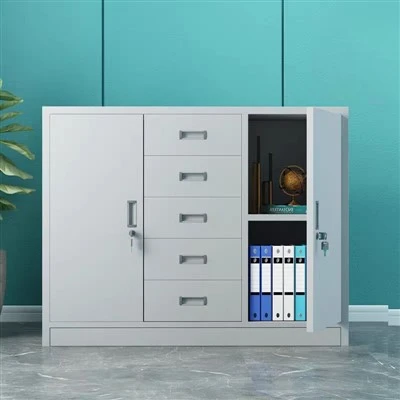
At the end of the day, other furniture facilities are the workhorses of any space — they hold our clothes, our tools, our inventory, our daily essentials. They don’t get the spotlight, but they need to work, every single day. A solid warranty is how you make sure that workhorse stays reliable, for years to come. If you’re in the market for other furniture facilities — whether for your business, your home, or a project you’re working on — we’re here to walk you through our warranty terms, answer any questions you have, and find the right pieces for your needs. Reach out to our team to connect and discuss your project, no pressure, just honest answers and reliable furniture you can count on.
Cabinet References:
- American Furniture Manufacturers Association. (2022). Warranty Standards for Commercial and Residential Furniture. AFMA Industry Guidelines.
- National Association of Home Builders. (2021). Residential Furniture Warranty Best Practices for Consumers. NAHB Research Center.
- U.S. Small Business Administration. (2023). Procuring Commercial Furniture: Warranty Considerations for Small Business Owners. SBA Office of Capital Access.
Anhui Lilan Furniture Co., Ltd.
As one of the most professional furniture facilities manufacturers and suppliers in China, we have world-leading production equipment and strong manufacturing capabilities. Please feel free to wholesale high quality furniture facilities made in China here from our factory. Customized orders are welcome.
Address: East of Xianghe Road, Feidong New District, Hefei City, Anhui Province
E-mail: 13739262376@139.com
WebSite: https://www.lilanjj.com/
