In the dynamic world of electronics manufacturing, the demand for turnkey PCB assembly services has been on the rise. As a turnkey PCB assembly supplier, I understand the concerns and questions that customers often have, especially when it comes to tracking the progress of their projects. In this blog post, I’ll delve into the possibilities and processes of tracking the progress of a turnkey PCB assembly project. Turnkey PCB Assembly

Understanding Turnkey PCB Assembly
Before we explore the tracking aspect, let’s briefly understand what turnkey PCB assembly entails. A turnkey PCB assembly service provides a comprehensive solution from start to finish. This includes PCB design, component sourcing, assembly, testing, and sometimes even final packaging and shipping. As a supplier, we take on the responsibility of managing all aspects of the project, allowing our customers to focus on other core business functions.
Why Tracking Progress is Important
Tracking the progress of a turnkey PCB assembly project is crucial for several reasons. Firstly, it provides transparency to the customer. Knowing where the project stands at any given time helps in better planning and resource allocation on their end. For example, if a product launch is tied to the delivery of the PCBs, having real – time progress updates can assist in scheduling marketing campaigns and production runs.
Secondly, it allows for early detection of any potential issues. If there are delays in component sourcing or problems during the assembly process, the customer can be informed promptly. This gives both parties the opportunity to work together to find solutions and minimize the impact on the project timeline.
Methods of Tracking Progress
1. Regular Communication
One of the most straightforward ways to track the progress of a turnkey PCB assembly project is through regular communication. At our company, we establish a dedicated point – of – contact for each project. This person keeps the customer informed about the various stages of the project, such as when the PCB design is finalized, when components are ordered, and when the assembly process begins.
We typically provide weekly or bi – weekly progress reports, depending on the complexity and duration of the project. These reports can be in the form of detailed emails or phone calls, where we discuss the achievements of the week, any challenges faced, and the expected next steps.
2. Online Dashboards
In today’s digital age, many PCB assembly suppliers are offering online dashboards to their customers. These dashboards provide real – time updates on the project status. Customers can log in to a secure portal and view details such as the current stage of the project, the percentage of completion, and any associated costs.
For example, if a project is in the component sourcing stage, the dashboard might show which components have been received, which are still on order, and the expected arrival dates. This level of transparency gives the customer a clear picture of the project’s progress at a glance.
3. Milestone – Based Tracking
Another effective method is milestone – based tracking. We break down the turnkey PCB assembly project into key milestones, such as design completion, component arrival, assembly start, testing completion, and final delivery. Each milestone represents a significant step in the project, and we update the customer as each one is reached.
This approach not only helps in tracking the overall progress but also provides a clear framework for measuring the project’s success. For instance, if a milestone is missed, we can analyze the reasons behind it and take corrective actions to get the project back on track.
Challenges in Tracking Progress
While tracking the progress of a turnkey PCB assembly project is essential, it is not without its challenges. One of the main challenges is the complexity of the supply chain. Component sourcing can be affected by factors such as global shortages, lead times, and quality issues. These factors can cause delays in the project, and it can be difficult to accurately predict and communicate these changes to the customer.
Another challenge is the integration of different processes. PCB assembly involves multiple steps, from design to testing, and any issues in one area can have a ripple effect on the entire project. For example, if there are problems with the PCB design, it can delay the component sourcing and assembly processes.
Overcoming Challenges
To overcome these challenges, we have implemented several strategies. Firstly, we maintain strong relationships with our component suppliers. This allows us to stay informed about any potential supply chain disruptions and take proactive measures to mitigate their impact. For example, we might place orders in advance or source alternative components if necessary.
Secondly, we have a rigorous quality control process in place. This helps us identify and address any issues early in the project, reducing the likelihood of delays. Our quality control team conducts inspections at every stage of the assembly process, from component inspection to final testing.
The Role of Technology in Tracking
Technology plays a vital role in tracking the progress of a turnkey PCB assembly project. We use advanced project management software that integrates all aspects of the project, from design to delivery. This software allows us to track the progress of each task, assign responsibilities, and monitor the overall project timeline.
In addition, we use barcode scanning and tracking systems to manage the inventory of components. This ensures that we can accurately track the movement of components throughout the assembly process and provide real – time updates to the customer.
Customer Benefits of Tracking
When customers are able to track the progress of their turnkey PCB assembly project, they enjoy several benefits. Firstly, it gives them peace of mind. Knowing that they can stay informed about the project’s status at any time reduces anxiety and allows them to focus on other aspects of their business.
Secondly, it improves collaboration between the customer and the supplier. By having open communication and access to real – time information, both parties can work together more effectively to address any issues and ensure the successful completion of the project.
Conclusion
In conclusion, tracking the progress of a turnkey PCB assembly project is not only possible but also highly beneficial for both the customer and the supplier. Through regular communication, online dashboards, and milestone – based tracking, we can provide our customers with transparency and control over their projects.
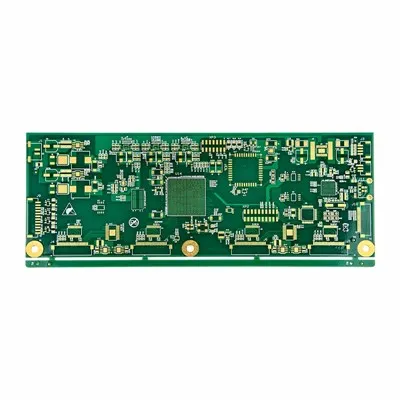
While there are challenges in tracking progress, such as supply chain complexities and process integration, we have implemented strategies to overcome these challenges. Technology also plays a crucial role in ensuring accurate and real – time tracking.
Prototype PCB Assembly If you are considering a turnkey PCB assembly project, we invite you to reach out to us for a detailed discussion. Our team of experts is ready to assist you in every step of the process, from project planning to final delivery. Let’s work together to bring your electronic product to life.
References
- "PCB Assembly: A Comprehensive Guide" by John Doe
- "Supply Chain Management in Electronics Manufacturing" by Jane Smith
- "Project Management Best Practices in PCB Assembly" by Mark Johnson
Huaswin Electronics Technology Co., Ltd.
With abundant experience, we are one of the most professional turnkey PCB assembly manufacturers and suppliers in China. Welcome to wholesale customized turnkey PCB assembly at competitive price from our factory. If you have any enquiry about pricelist, please feel free to email us.
Address: Building A2, Hao Hai Hong Industrial Park, No.3 Yu He Road, Gong He, Sha Jing, Bao An, Shenzhen
E-mail: sales@huaswin.com
WebSite: https://www.huaswin-pcba.com/
